Yesterday I accidentally made myself super-strong coffee and liked it. This morning, I attempted to reproduce the coffee strength I made by accident yesterday. I may have overcorrected.

Yesterday I accidentally made myself super-strong coffee and liked it. This morning, I attempted to reproduce the coffee strength I made by accident yesterday. I may have overcorrected.
Cory Doctorow reviews “Doppelganger,” Naomi Klein’s memoir about how she’s often confused with Naomi Wolf. From that gimmicky springboard, Klein explores the progressive-to-Qanon pipeline that Wolf traveled—folks who formerly considered themselves staunch liberals becoming Trump supporters and embracing right-wing conspiracy theories.
Doctorow:
Wolf once had a cluster of superficial political and personal similarities to Klein: a feminist author of real literary ability, a Jewish woman, and, of course, a Naomi. Klein grew accustomed to being mistaken for Wolf, but never fully comfortable. Wolf’s politics were always more Sheryl Sandberg than bell hooks (or Emma Goldman). While Klein talked about capitalism and class and solidarity, Wolf wanted to “empower” individual women to thrive in a market system that would always produce millions of losers for every winner.
Fundamentally: Klein is a leftist, Wolf was a liberal. The classic leftist distinction goes: leftists want to abolish a system where 150 white men run the world; liberals want to replace half of those 150 with women, queers and people of color.
By the way, I had not encountered the phrase “bell hooks” before seeing it in Cory’s post. Initially, I thought it might be an error of the sort that comes up when you’re thumb-typing or dictating into a phone. It’s not.
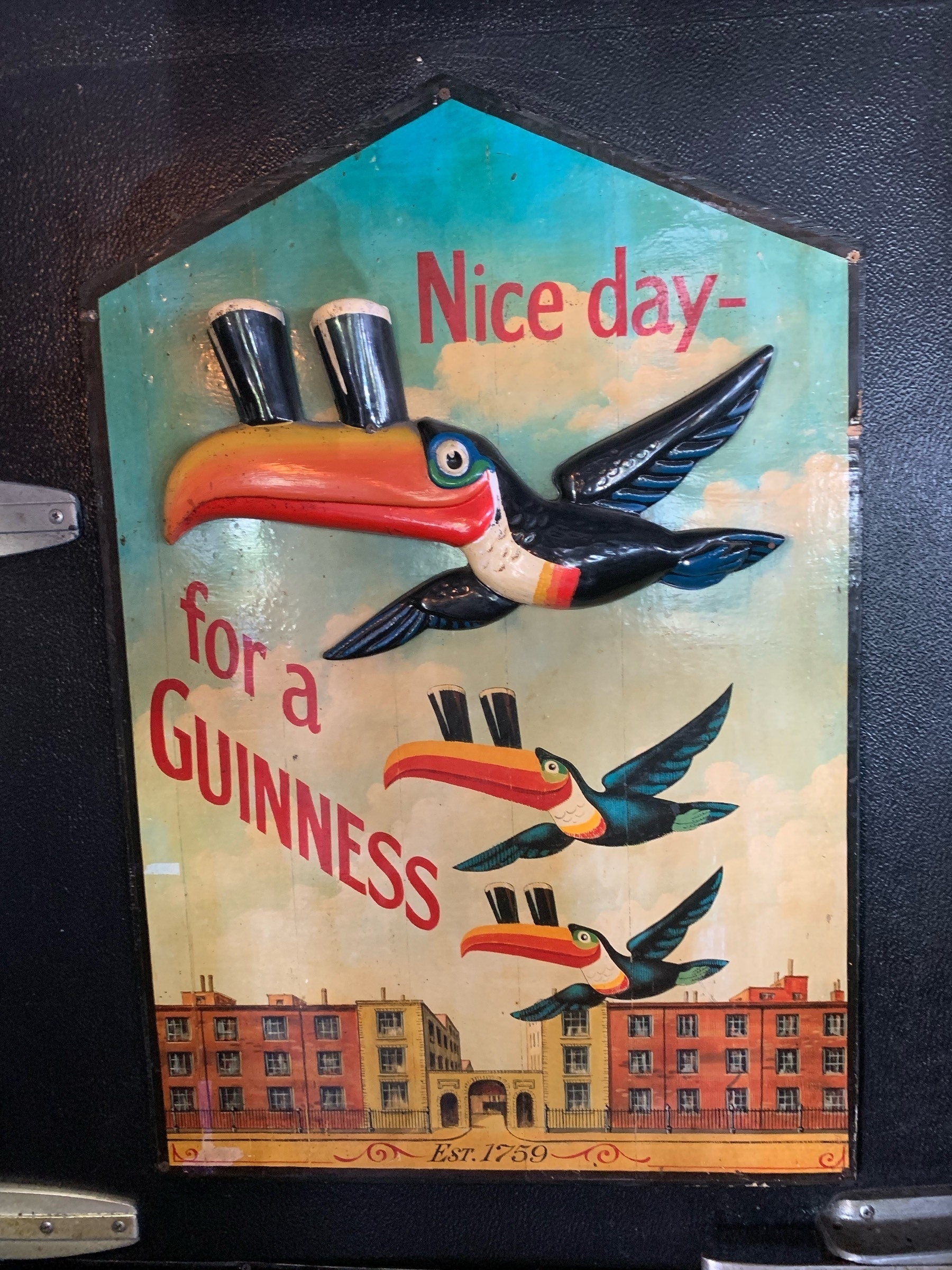
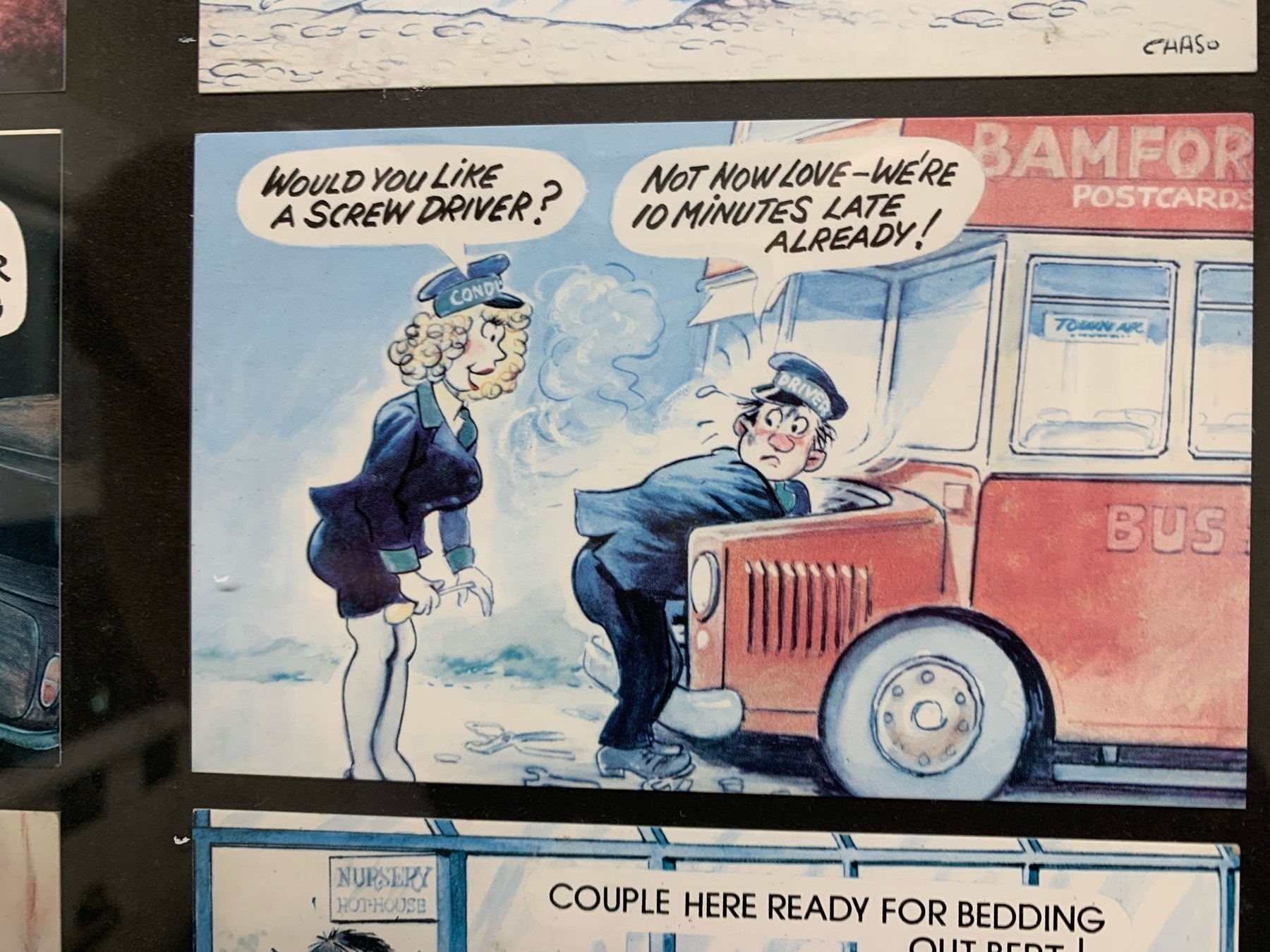
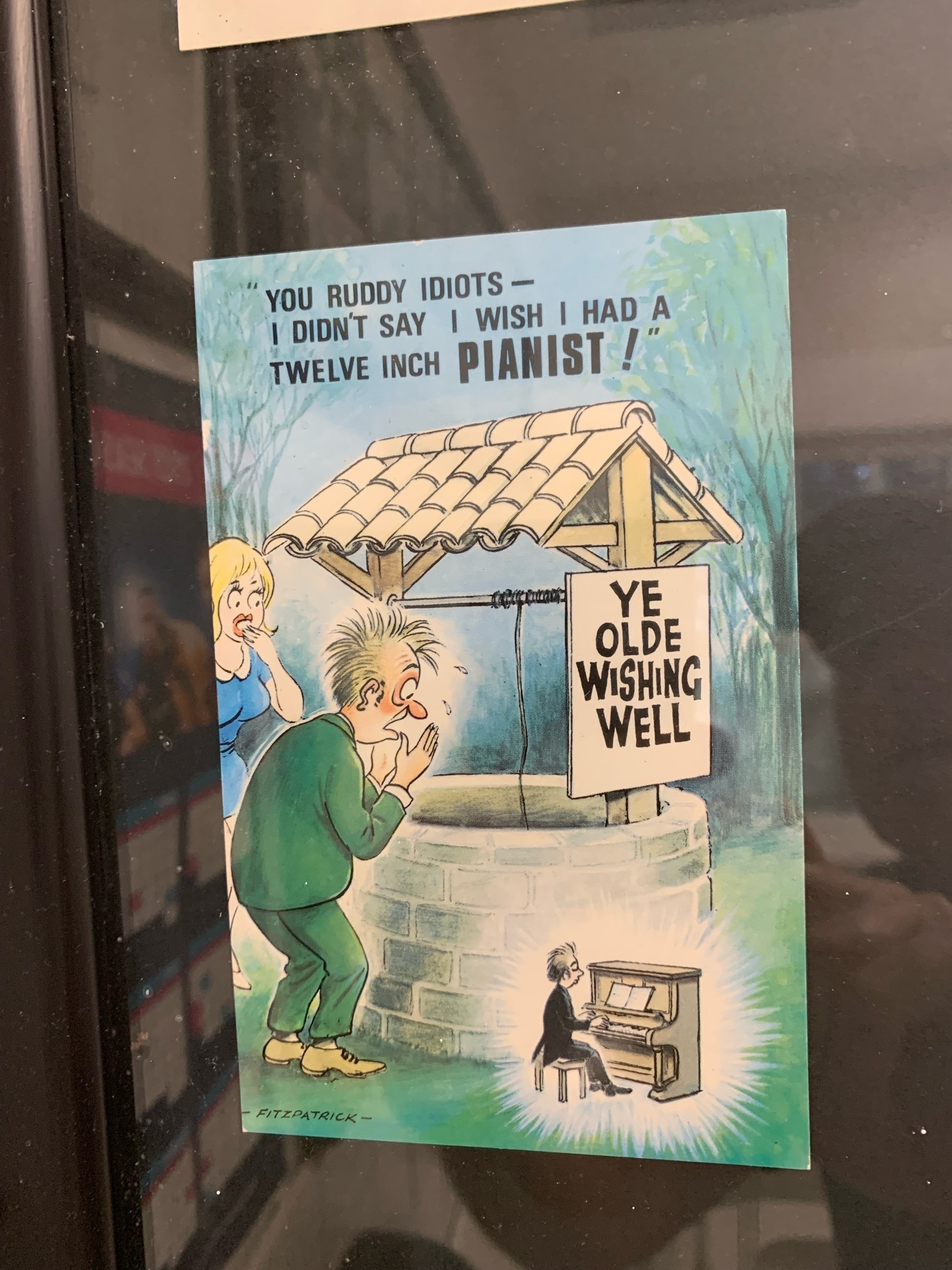
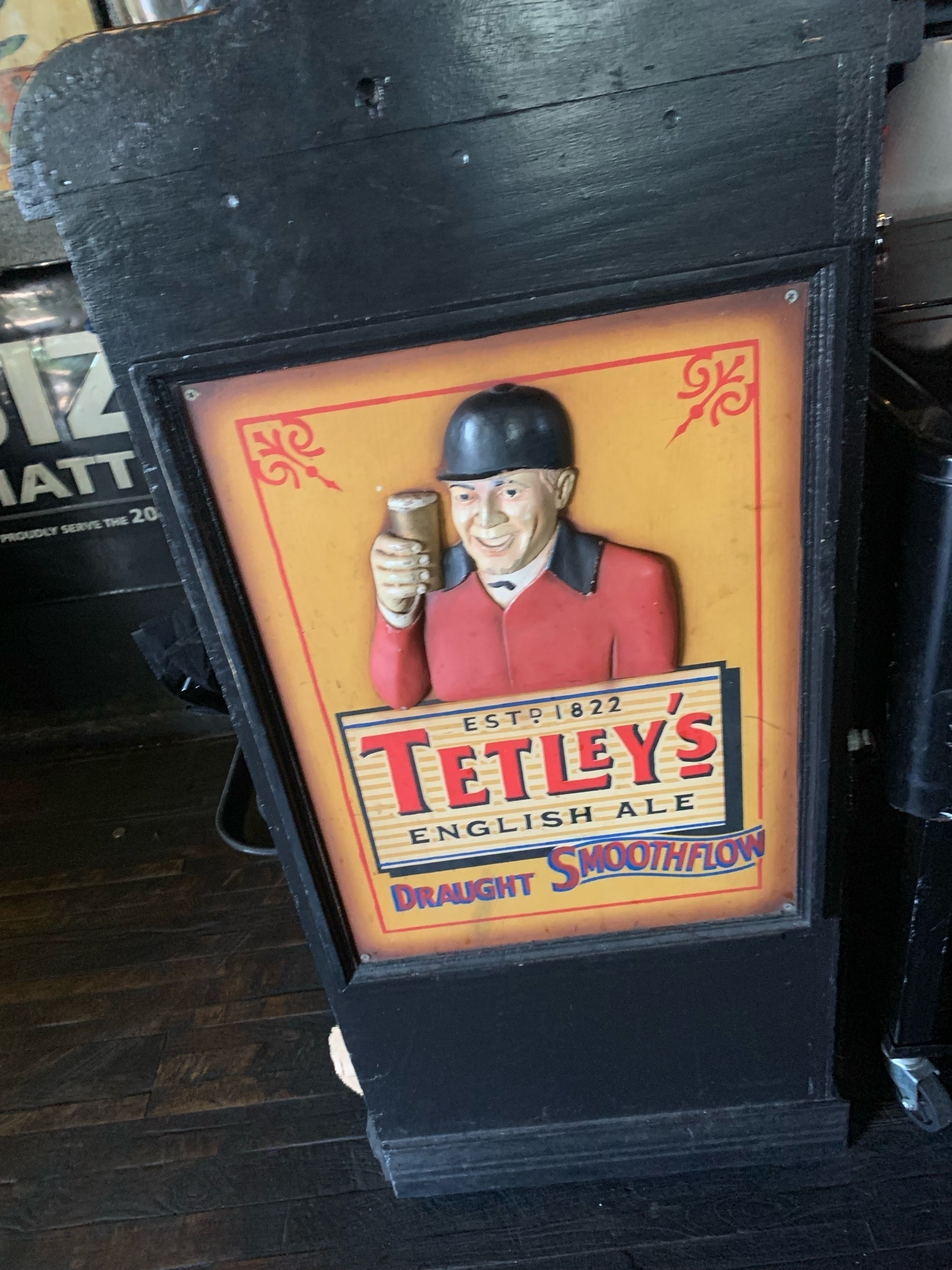
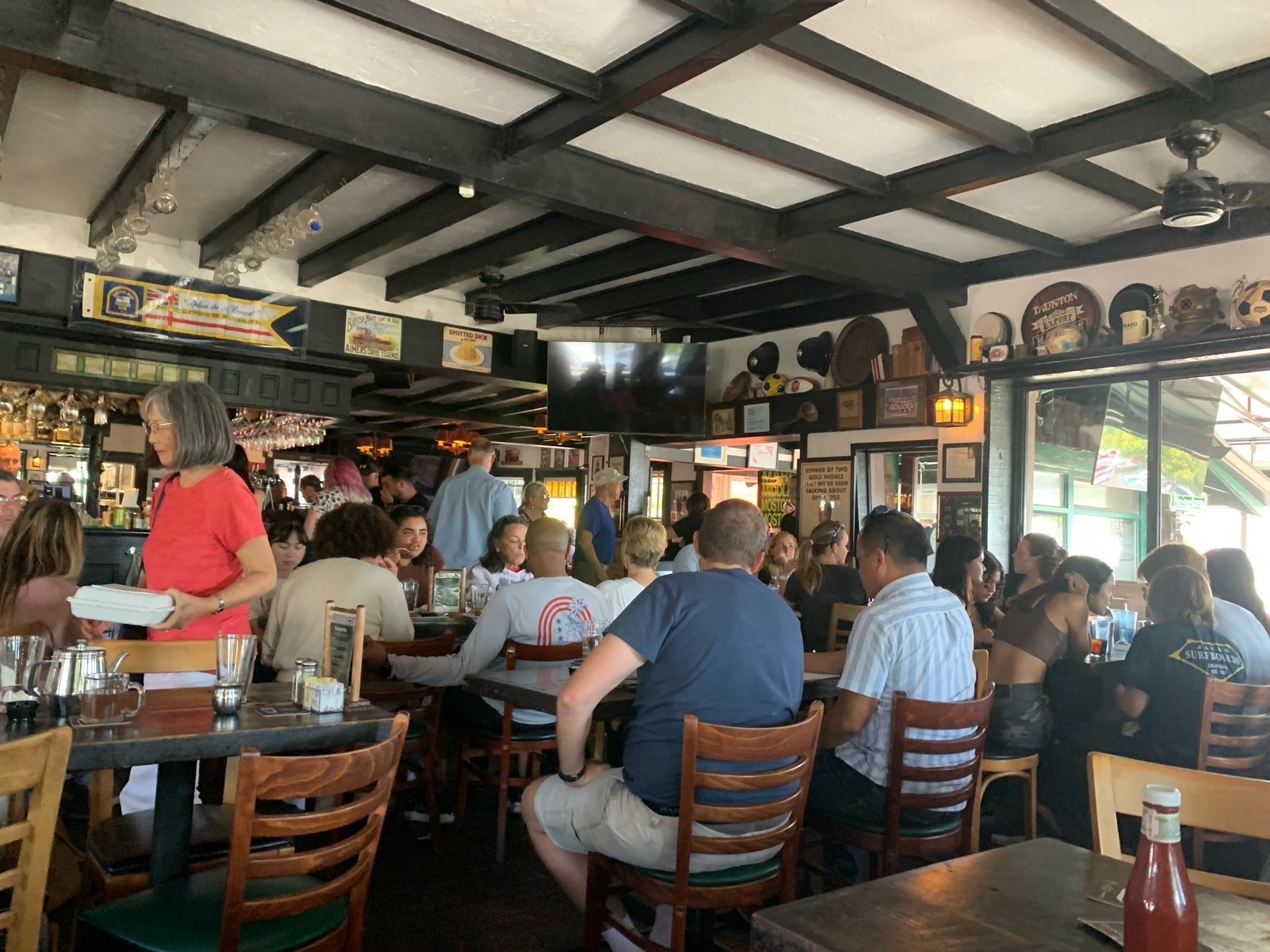
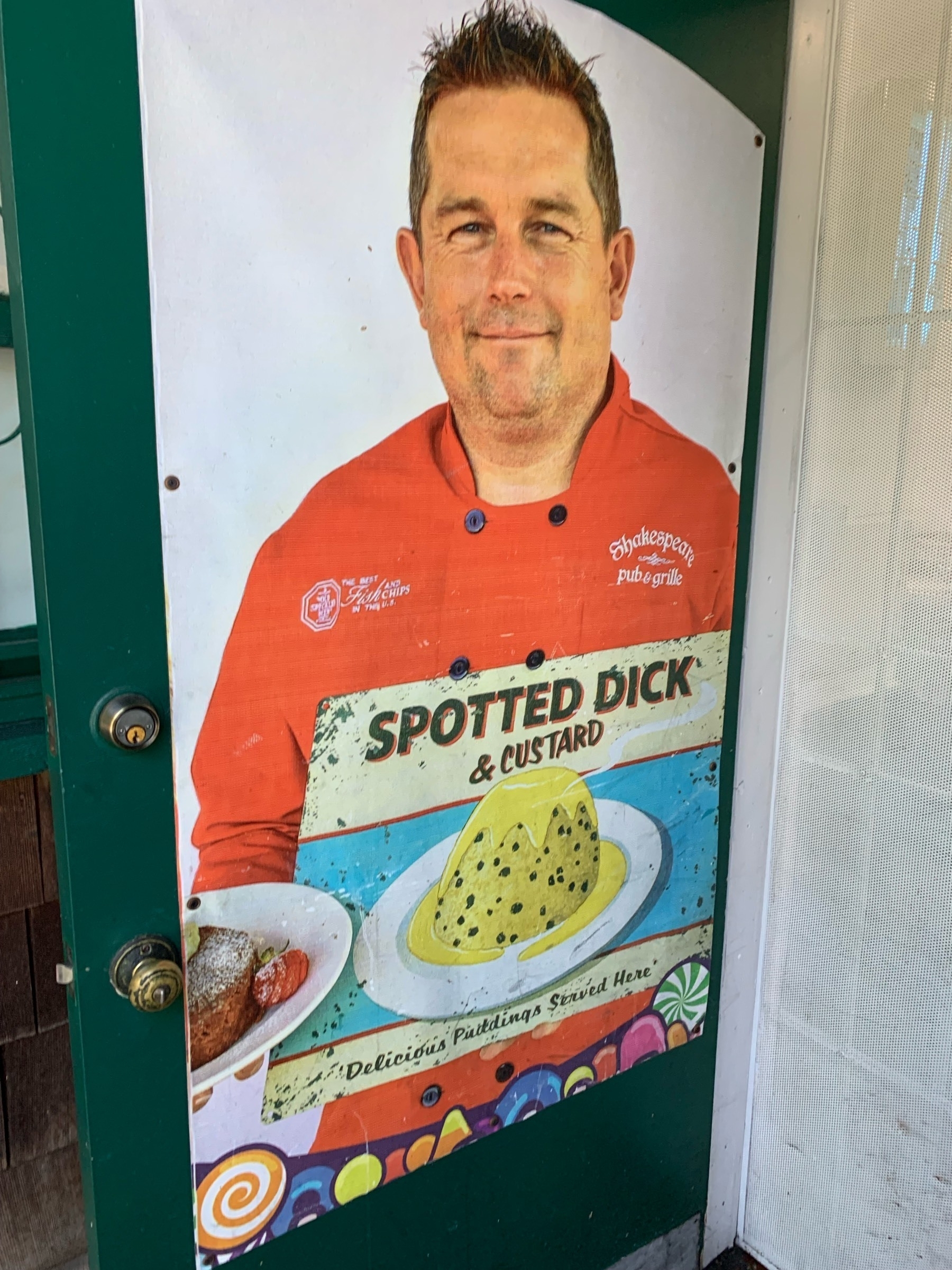
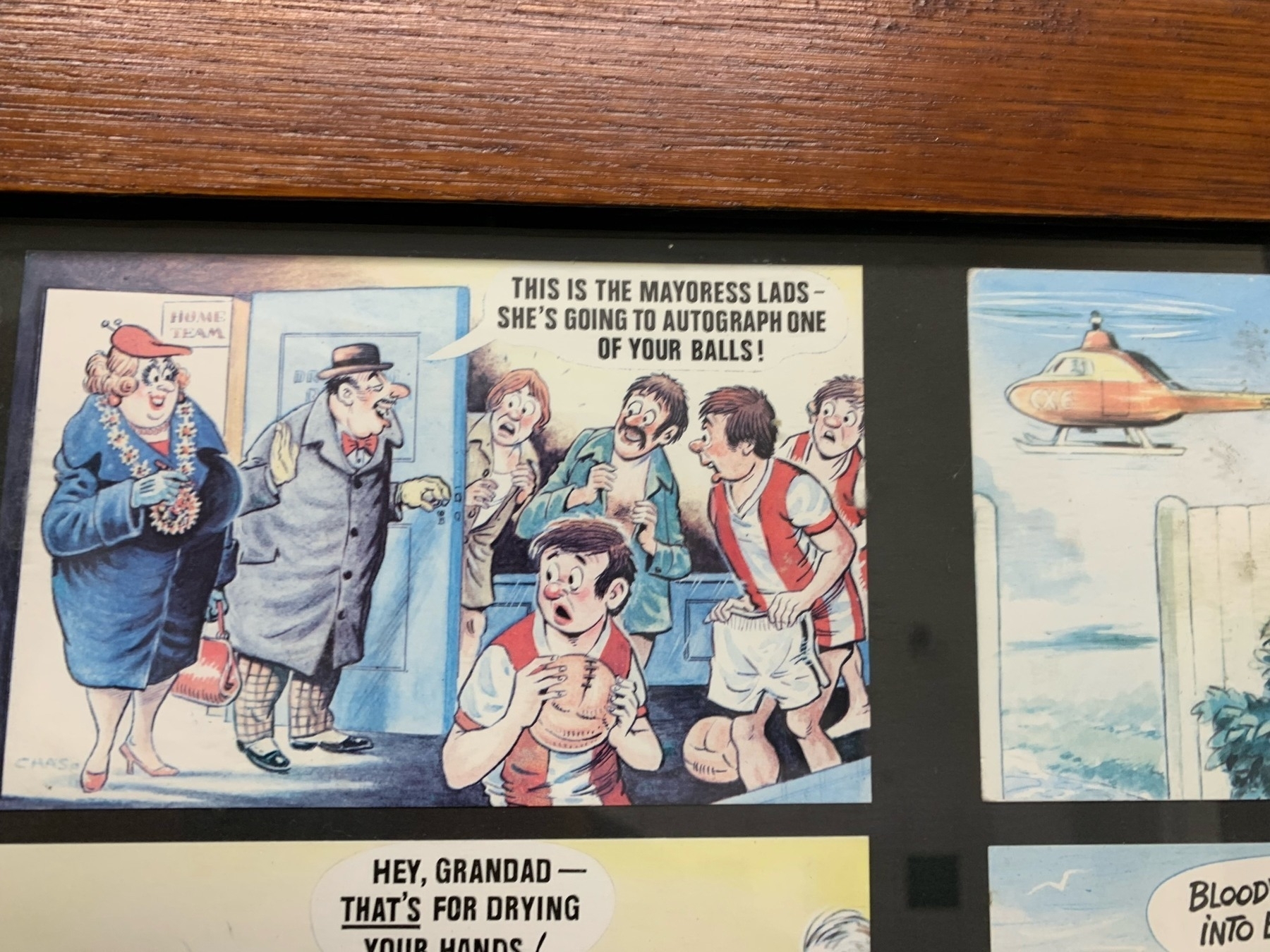
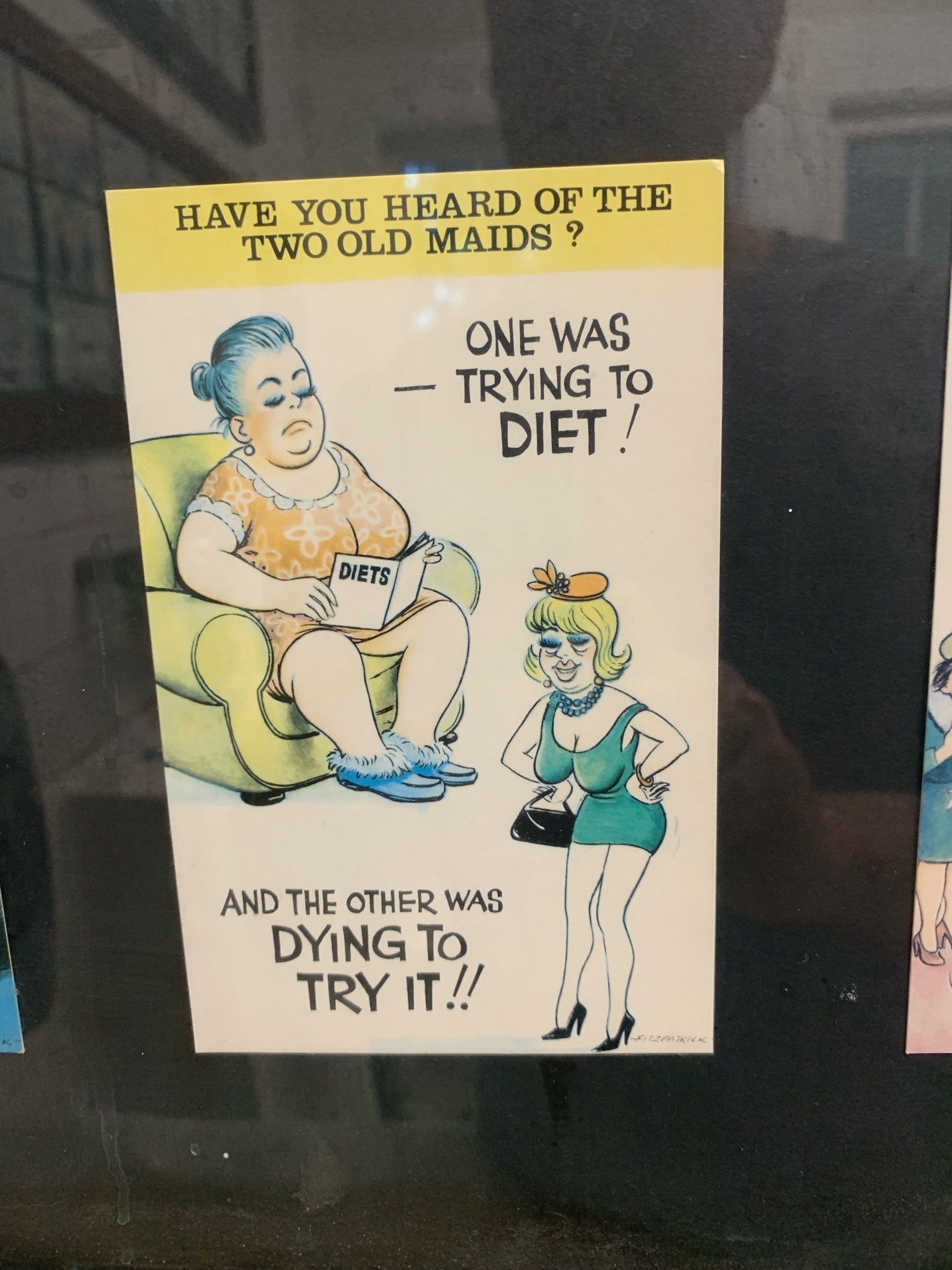
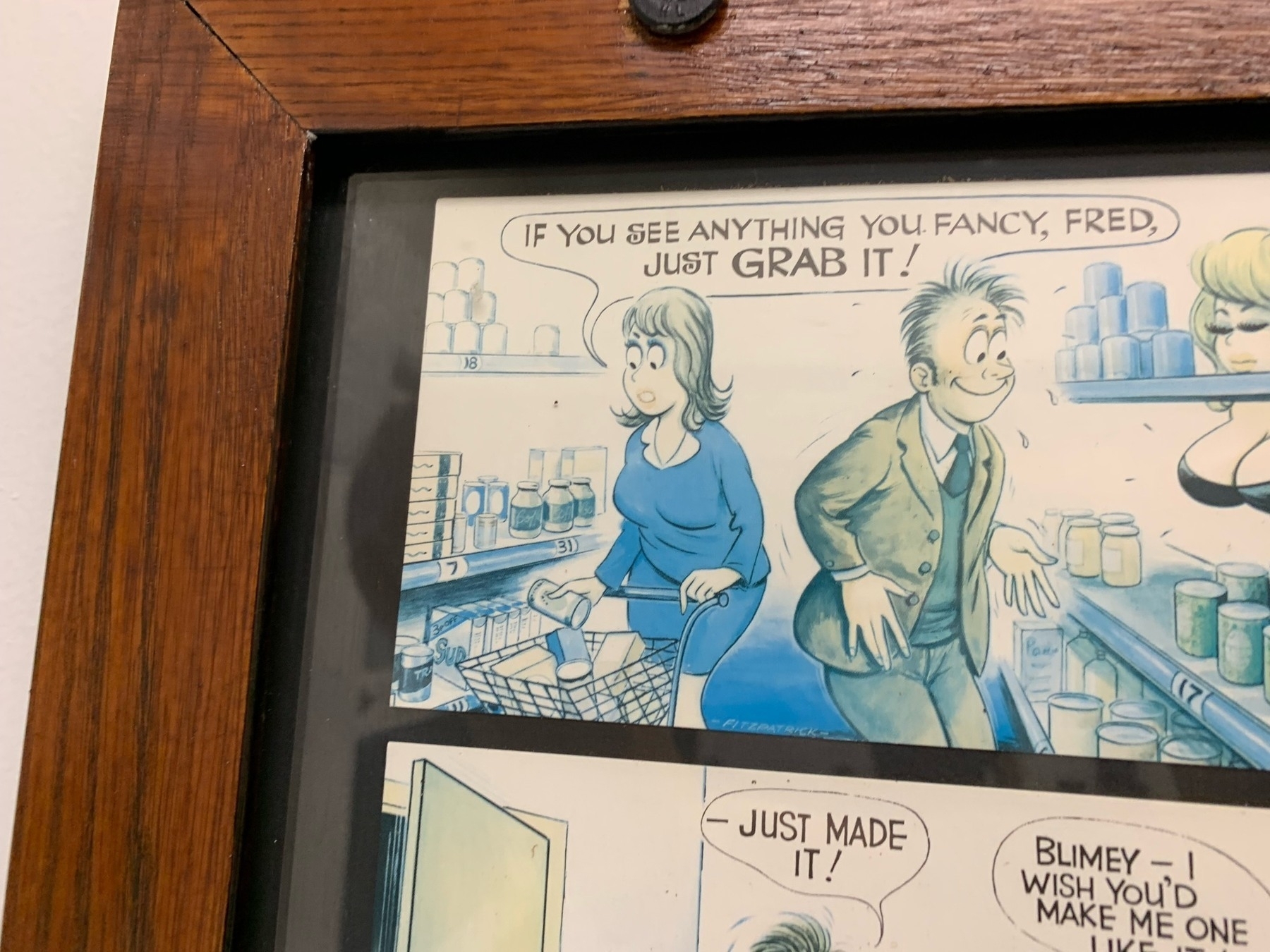
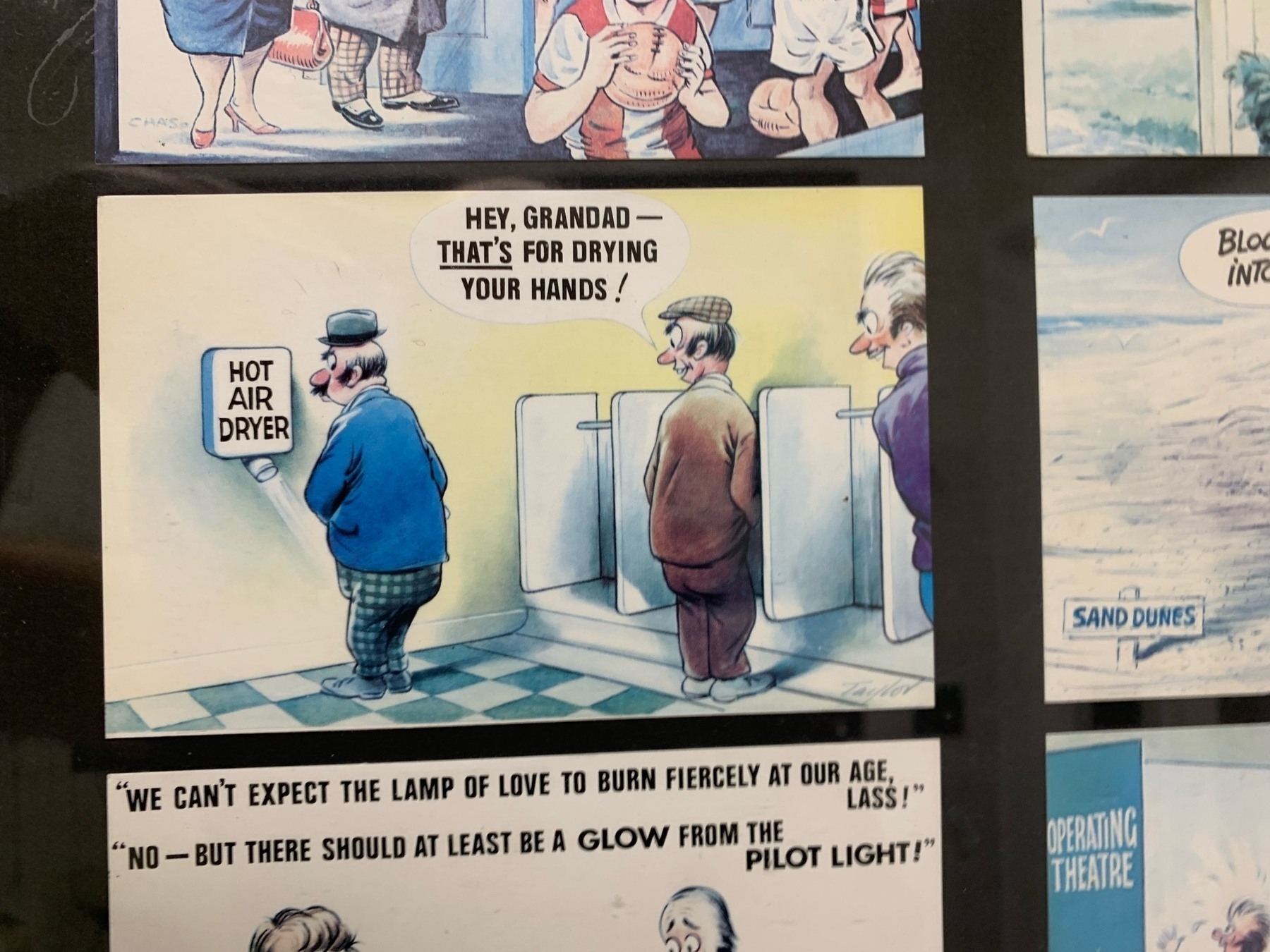
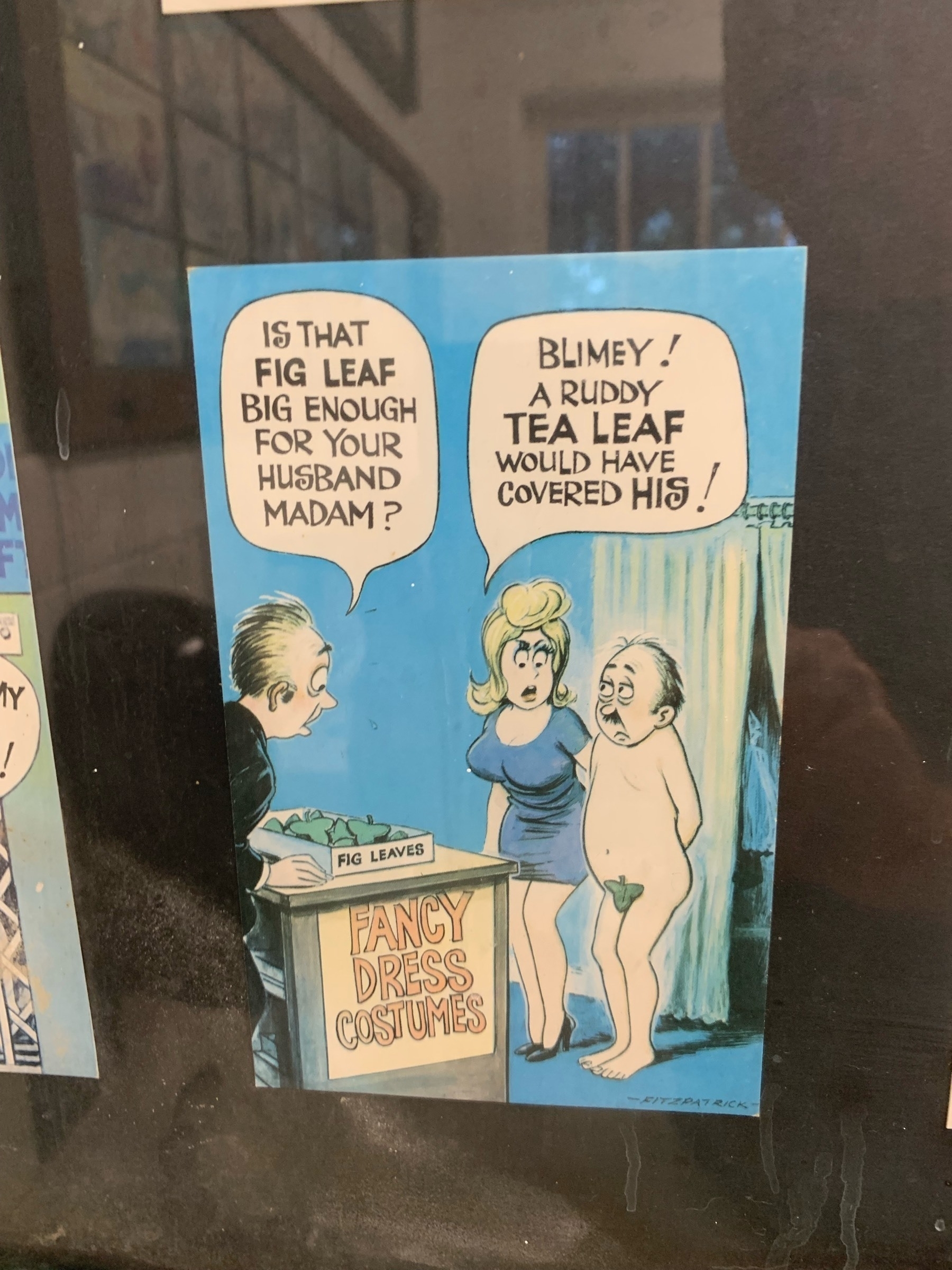
Late lunch with Julie at Shakespeare’s Pub, San Diego. Good food and spirits, comfortable interior, and many delightful posters and postcards on the walls
10 fall TV standouts, including “Changeling” debut and “Frasier” reboot.
I’ll give the “Frasier” reboot a try. I’m glad to see “Gilded Age” is returning. “Murder at the End of the World” has the most cliched possible premise and I am there for it.
Two series feature the wonderful Jon Hamm, but alas neither seems appealing to me.
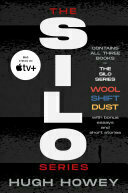
Currently reading: The Silo Series Collection by Hugh Howey 📚
1,663 pages. That’ll take a day or two.
Overheard: me at 13: wow i can’t wait til we have immersive computers everywhere like Star Trek
me at 30: wow i can’t wait until we destroy all computers like in dune
NotebookLM, Google’s AI-powered note-taking app, is the messy beginning of something great. “What if you could have a conversation with your notes?” By David Pierce at The Verge.
Google has a history of shutting down products after a few years, so I’m reluctant to rely on anything new from them.
The Story of Our Universe May Be Starting to Unravel.
Recent astronomical observations are shedding doubt on fundamental theories of cosmology and physics.
… a revolution may end up being the best path to progress. That has certainly been the case in the past with scientific breakthroughs like Copernicus’s heliocentrism, Darwin’s theory of evolution and Einstein’s relativity. All three of those theories also ended up having enormous cultural influence — threatening our sense of our special place in the cosmos, challenging our intuition that we were fundamentally different than other animals, upending our faith in common sense ideas about the flow of time. Any scientific revolution of the sort we’re imagining would presumably have comparable reverberations in our understanding of ourselves.