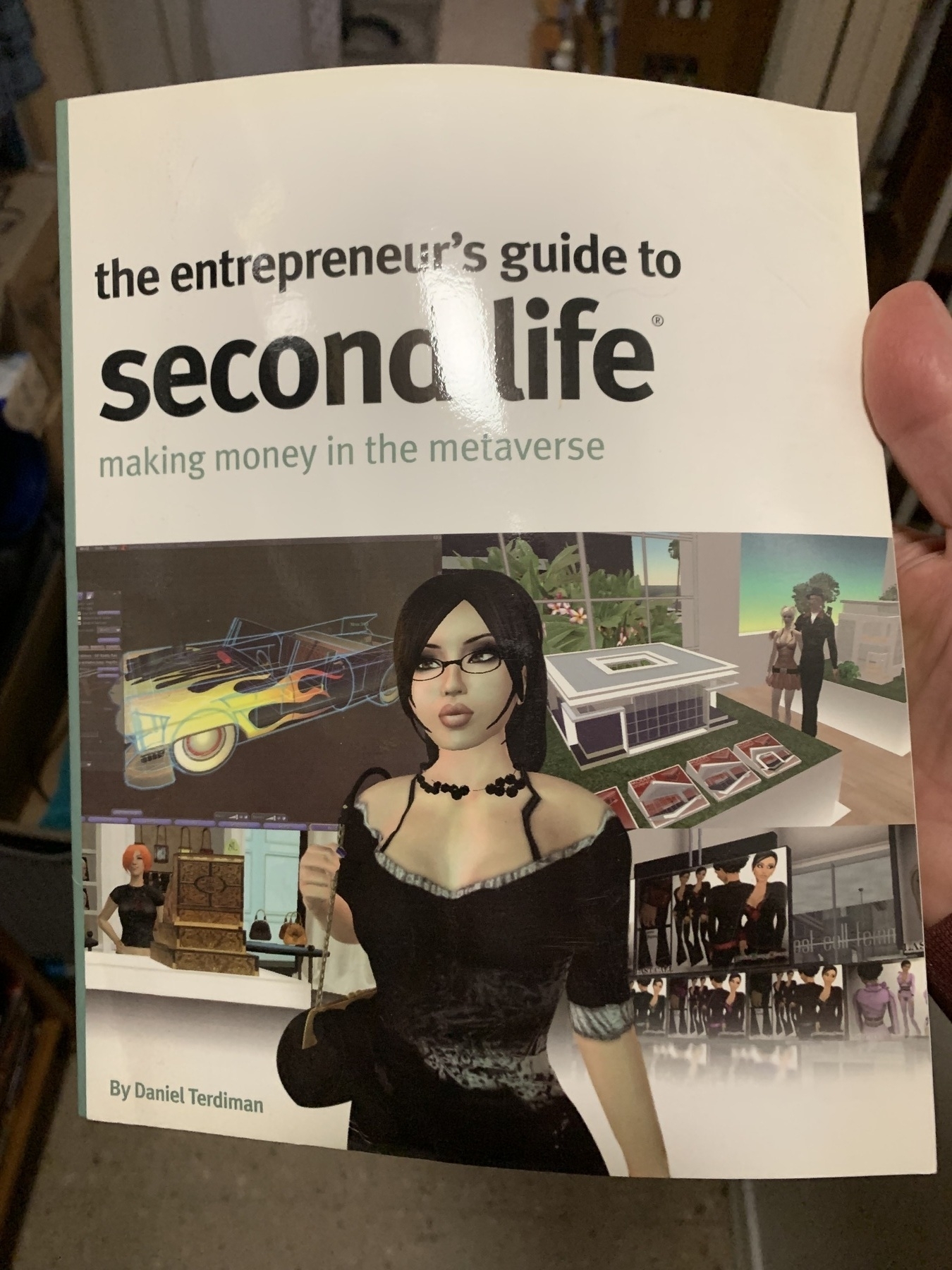
This morning I learned what the name is for the genre of music that the cantina band plays in “Star Wars,” and now I want to go back to bed and start the day over.
My process for getting ready to walk in the rain, and getting myself and the dog dry when we get back, has become so elaborate that I think I can now refer to it as a “workflow,” and describe all my rain gear as a “tech stack.”
I saw a big fat squirrel sitting on the steel fence just outside my office window, licking rainwater off the top of the railing. It stayed there a good long time.
I keep a Nikon with a moderately long lens on my desk next to me for just such wildlife encounters as these. Critters like our backyard. But I had put stuff in front of the camera since the last time I used it, and couldn’t get the camera free before the squirrel scampered off.
Lately when I see something striking, it’s a struggle for me: Take the photo? Or just be in the moment and appreciate the thing I’m looking at?
That’s a false distinction though. Whatever you do, you’re in the moment. Knowing that can make the choice more clear. What do you want to be doing? Looking at the thing? Maybe the thing is an activity you could be participating in–do you want to do that? Or do you want to take the photo?
Whoah, I didn’t realize this was going to get philosophical. Bringing it back to the main point: I saw a squirrel up close.
I’ve heard great things about “Children of Time,” by Adrian Tchaikovsky, and I’ve started reading it, but I’m finding it tough to get into.
The book is science fiction, set on a planet that was terraformed by ancient humans and is now dominated by intelligent spiders.
So far, the book focuses on a bunch of uninspiring humans doing uninteresting things.
Where are the spiders, Adrian? I’m here for the spiders!
The Silicon Valley Bank bailout is yet another example of the old adage, attributed to Martin Luther King, that we have socialism for the rich and rugged individualism for everyone else.
If you’re rich and you’re at risk of going broke, the US government comes running with its checkbook wide open.
If you’re struggling with medical debt, or you’re homeless because you can’t afford to pay for housing, or you’re a college grad who’s struggling to pay off their student loan: Fuck you.
Cory Doctorow: Learning from Silicon Valley Bank’s apologists
Staunchly anti-LGBTQ+ Tennessee Lt. Gov. Randy McNally is pausing his social media use after he was caught leaving bawdy, flirty comments on the Instagram posts of a gay man who poses nude.
Tennessee has been a leader in passing anti-LGBTQ legislation and laws banning drag shows. (You know who else led the world in that kind of thing? The Nazis.)
McNally told ABC affiliate WKRN in a statement that he has “long been active on social media” and engaged with constituents via posts, comments and messages. He said the comments on these posts “are no different.”
“While I see now that I should have been more careful about how my comments and activity would be perceived, my intent was always engagement and encouragement,” he said in the statement
It’s nothing new for anti-LGBTQ Republican wannabe Nazis to get caught doing gay shit, but it’s new for them to simply flat-out deny that it’s gay, and Tennessee is leading that trend. Gov. Bill Lee has been a leader in passing idiotic and persecutory anti-drag legislation. After Lee’s own teen drag exploits were discovered, he claimed they were absolutely not the same thing, and scolded reporters for drawing equivalents, when in fact they are exactly the same.
I’m trying Orion, a third-party web browser for Macs, iPhones, and iPads.
It’s based on Safari, and very Safari-like.
It runs many Chrome and Firefox extensions, supposedly even on the iPhone and iPad.
Orion supports vertical tree-style tabs, which I tried with Microsoft Edge and like quite a lot, even though they can be a little confusing.
Very nice!
It Took Me Nearly 40 Years To Stop Resenting Ke Huy Quan
A terrific and thoughtful essay by Walter Chaw about internalized racism and why Ke Huy Quan is a great role model. As a Jewish man, I find this very relatable.
Given the choice of playing along or protesting, I played along. I’m great at the Asian accent as minstrelry. When I do it for my white friends even today, it never fails to bring a laugh. Assimilation was the goal, and even though I could never hide my physical difference, I could at least laugh along with their enthusiastic recognition of my perpetual alienness. I think I wouldn’t be a writer at all if I hadn’t dedicated all of my energy into being very good at English, my second language. If I couldn’t pass the sight test, perhaps I could pass the reading one. Humor branded me as not one of those “sensitive” Asians, as a guy who wouldn’t make you feel uncomfortable about asking where I was really from, and where I’m really from is Golden, Colorado. Golden is a mining town, and to this day and despite its profound gentrification, it still has a giant wooden banner spanning its main street that says “Howdy Folks!” I have spent most of my life trying to divorce myself from my parents’ culture. They’re both dead now and they went before I was strong and stable enough to repair any of the damage I did. Honestly, none of us ever had the emotional language to do the work.
“Here’s the Satirical Piece About [Ohio Republican gubernatorial candidate] Jim Renacci His Team Demanded We Delete Because They Thought You Wouldn’t Think It Was a Joke. The parody had Renacci championing a ‘Constitutional curriculum’ for Ohio schools that would teach kids how to use leeches to treat dysentery, among other things.”
I updated my Mastodon bio. It’s very professional now.
How to Eat Dinner Even Though You Already Watched All Your Shows — I feel personally attacked by this article.
kottke.org turns 25. Congratulations, Jason!
Online privacy is important, and good for Reddit for defending that right against Marvel’s petty and childish demands.
Marvel angry about Ant-Man dialogue leak, demands names of Reddit and Google users | Ars Technica
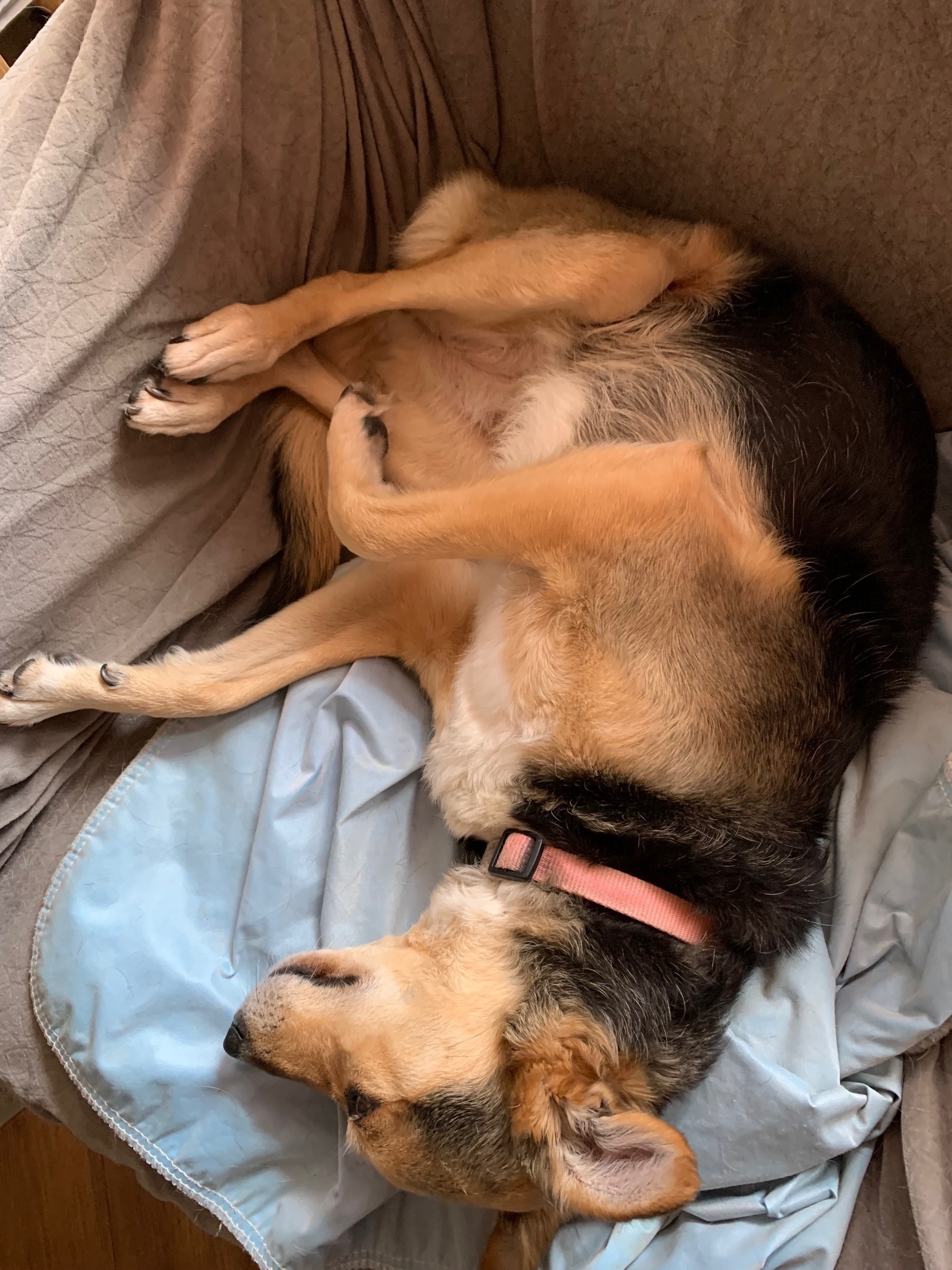
This is a great “about” page..
I thought I knew a lot about the early days of blogging, just from having been a blog addict back then, but I had never heard of textism or its author, Dean Allen, until I heard John Gruber discuss them on The Talk Show today.