
Surgeon warns against the most dangerous sex position, which causes 50% of penile fractures boingboing.net/2023/07/2…
How did we fill our in-between time before smartphones?
I’m constitutionally incapable of ignoring text within my sight, so I remember reading cereal boxes at breakfast, magazine covers in checkout lines, display ads on public transit, out-of-date magazines in doctors’ offices, in-flight Skymall catalogs, and posted signs (however irrelevant) of all types.
When the Town Square Shatters. Cory Doctorow remembers GEnie, where I made a lot of friends (including Cory). He says the end of GEnie nearly 25 years ago foretold the breakup of Twitter’s community. doctorow.medium.com/when-the-…
My career goal is to become a cowboy at a “wild west” roadside attraction. I want to be the guy who stands with a shotgun at the top of the stagecoach and gets shot and falls off.
Today’s ephemera: Looking in the bathroom mirror first thing in the morning
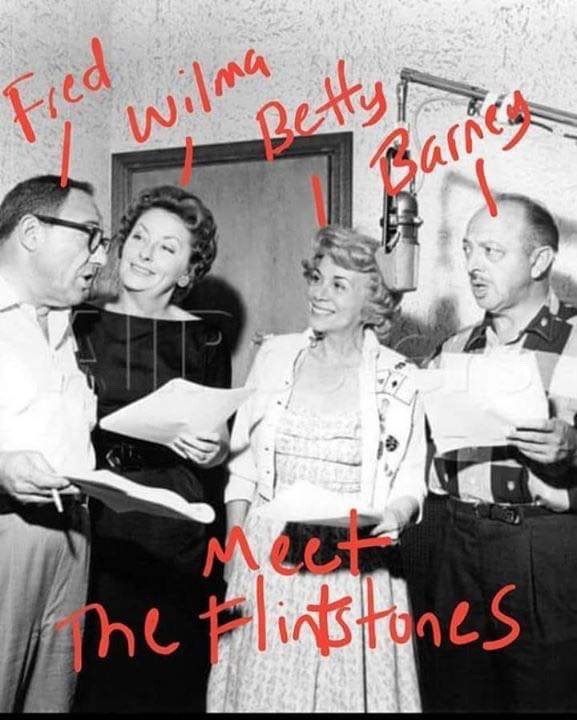
1960 The voices of the Flintstones
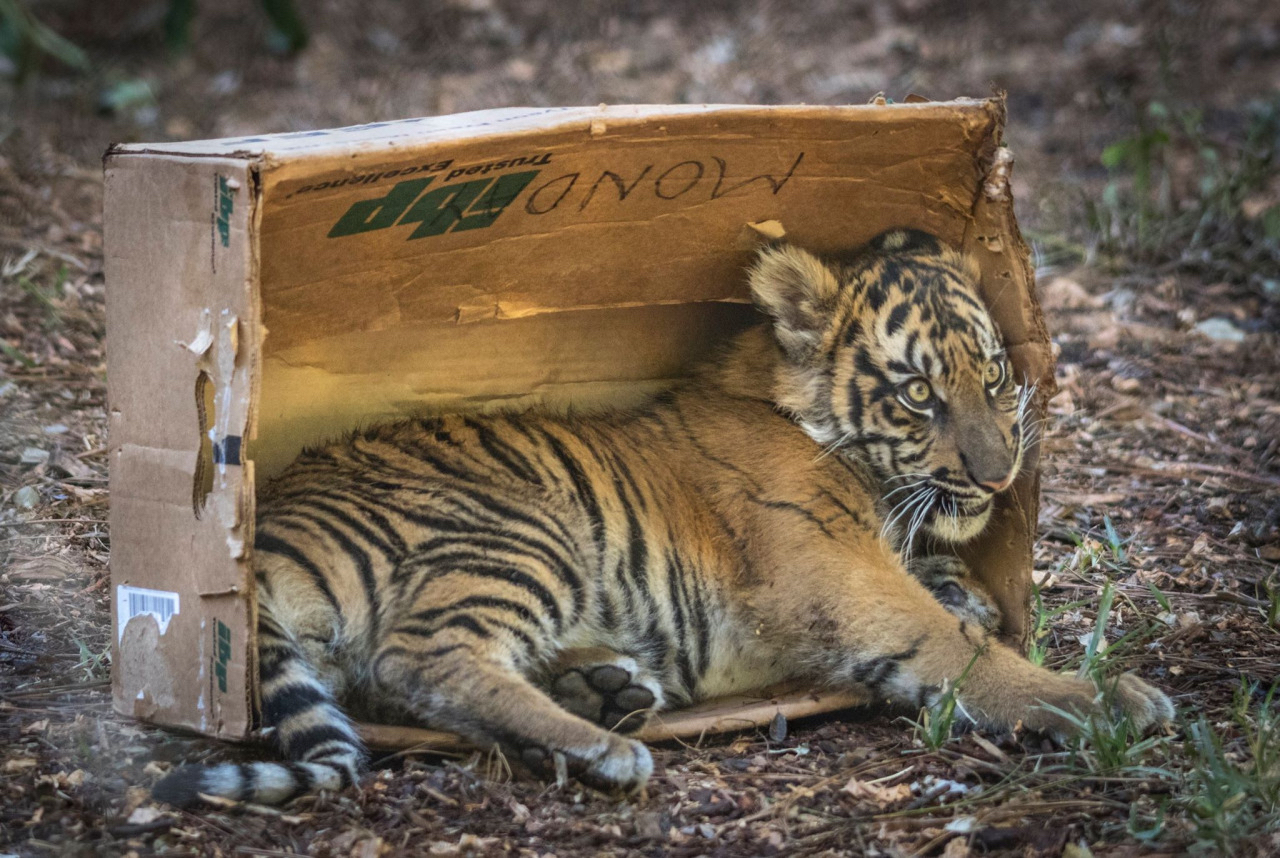


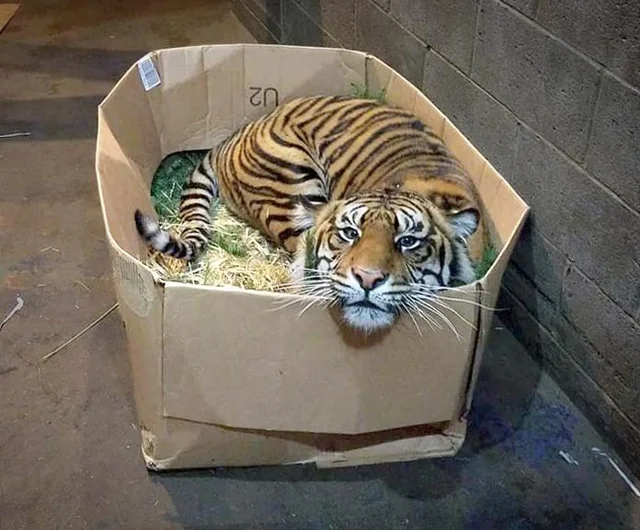
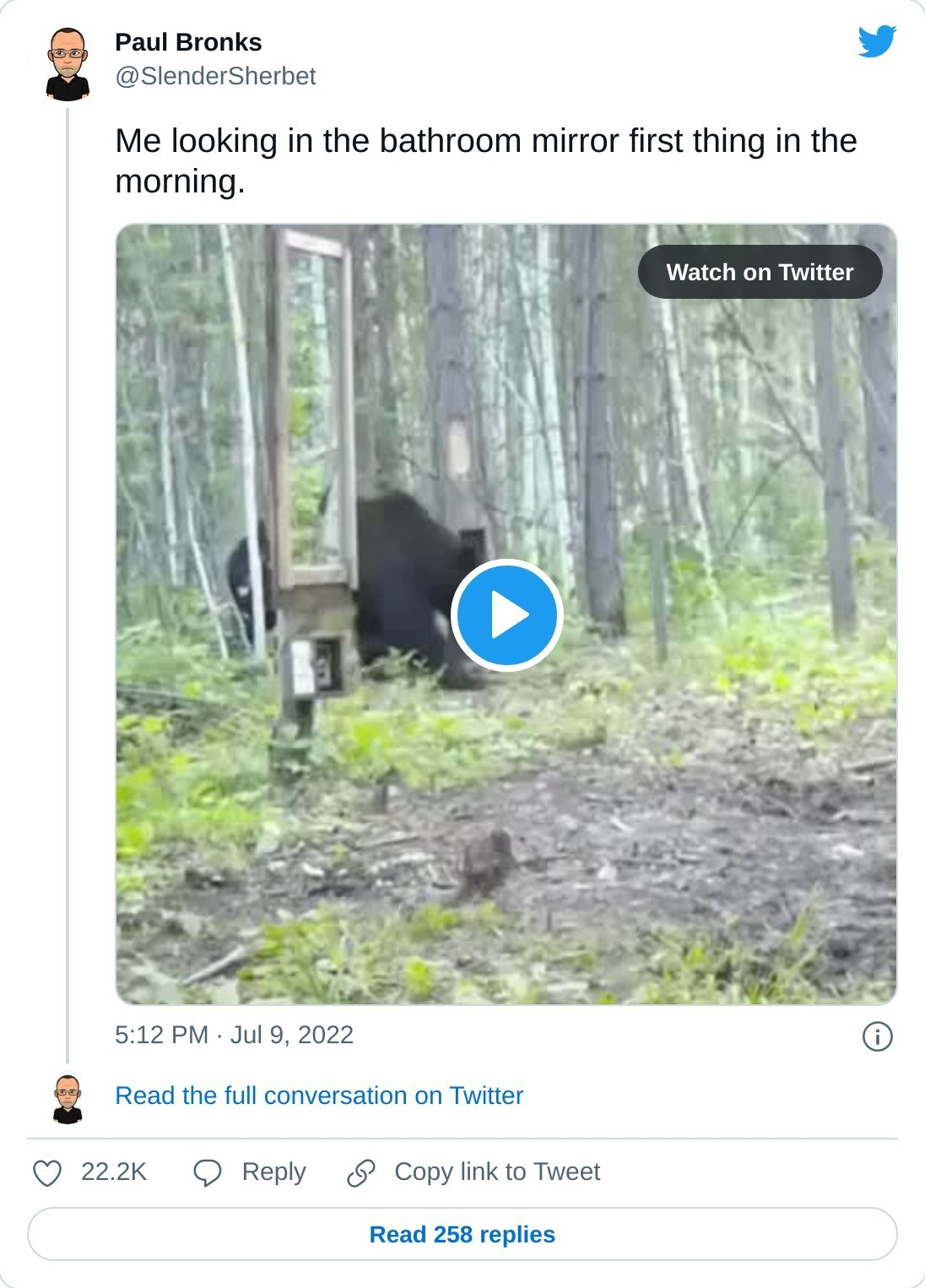
Video. Watch here: twitter.com/slendersh…
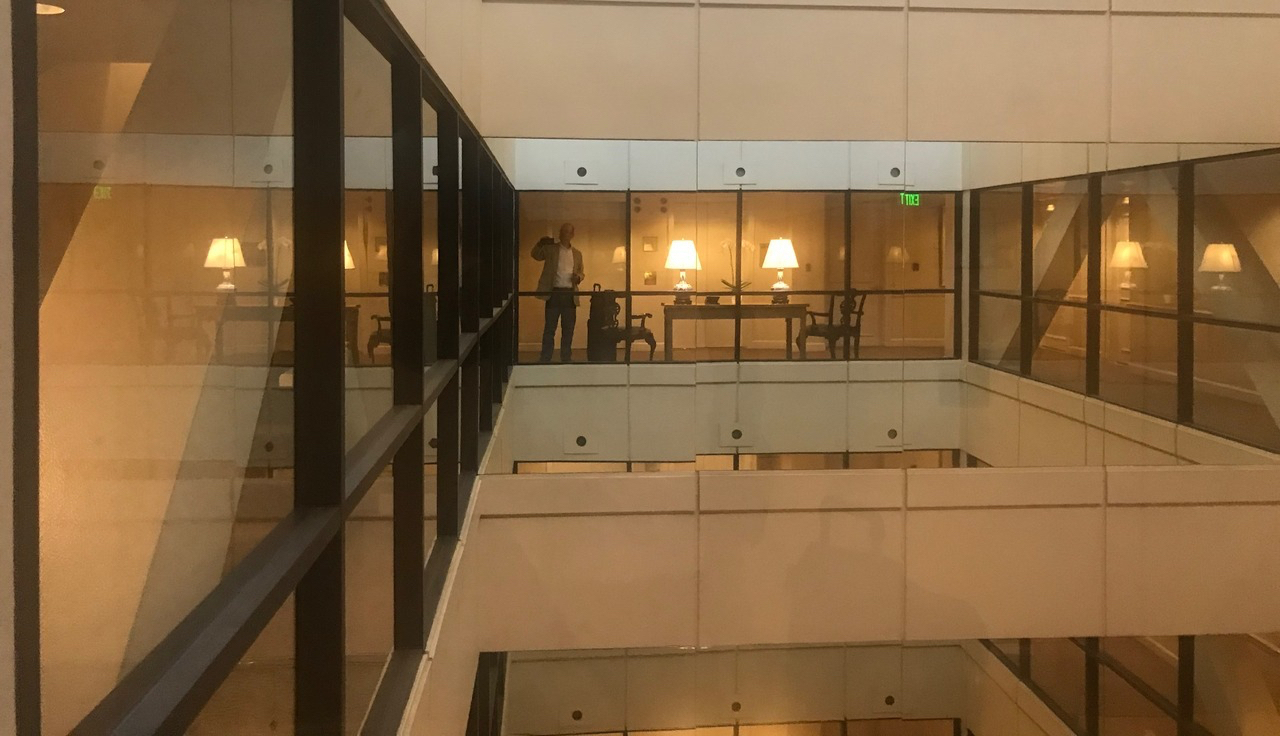
Five years ago: The hotel I’m in has an enclosed atrium with a mirrored far wall. Some guy dressed like me was taking a picture same time as me.
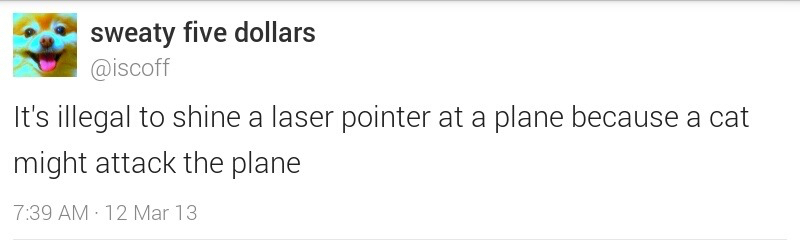
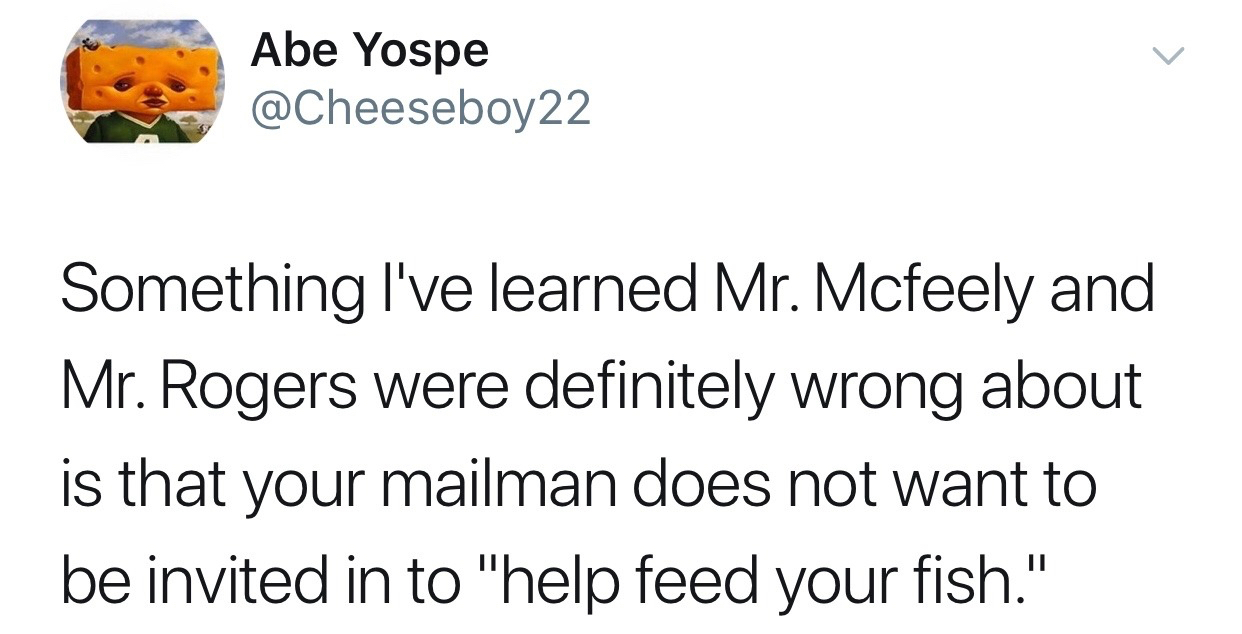
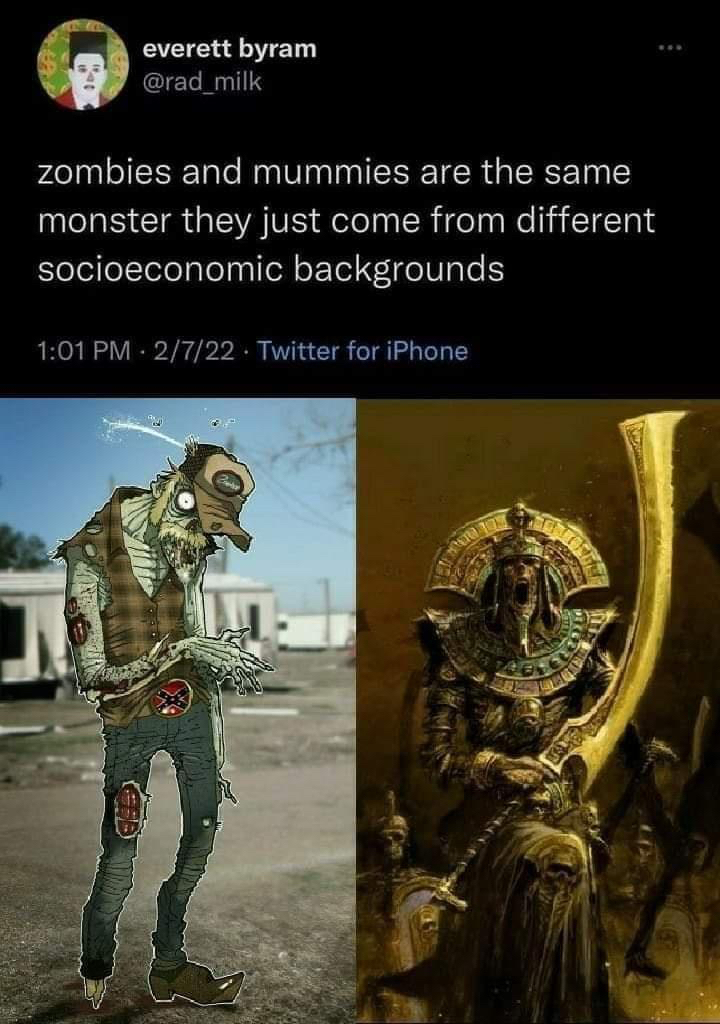
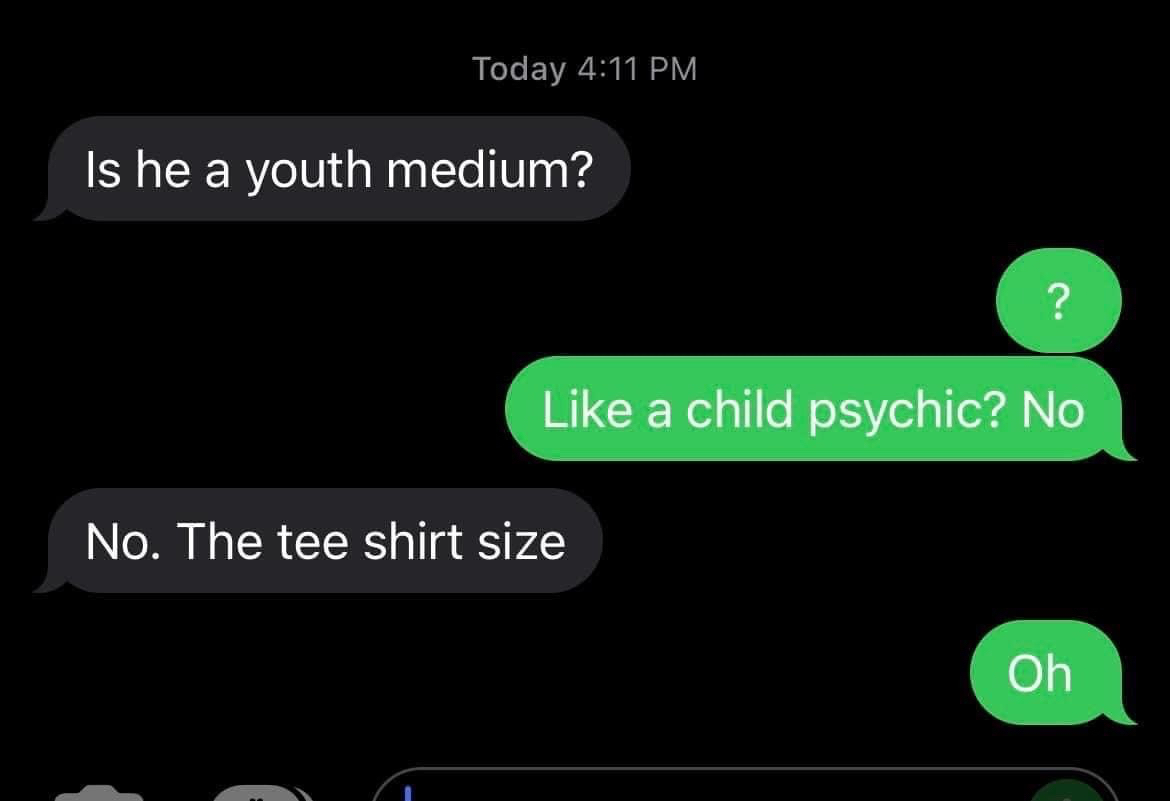

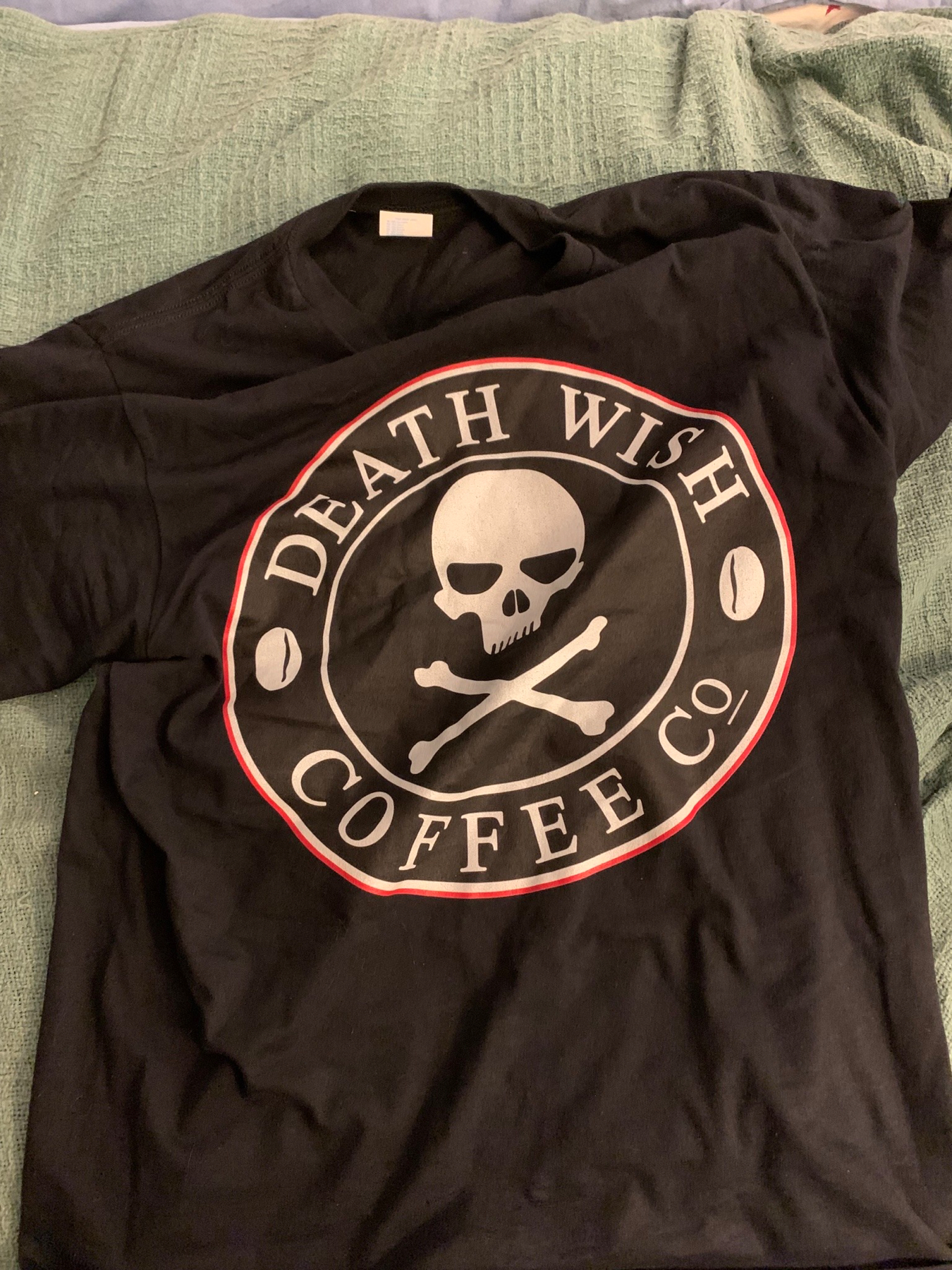
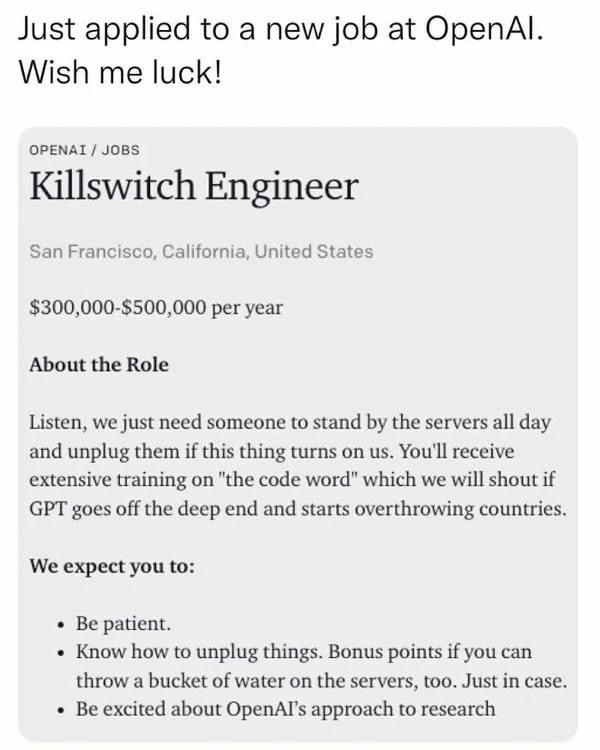
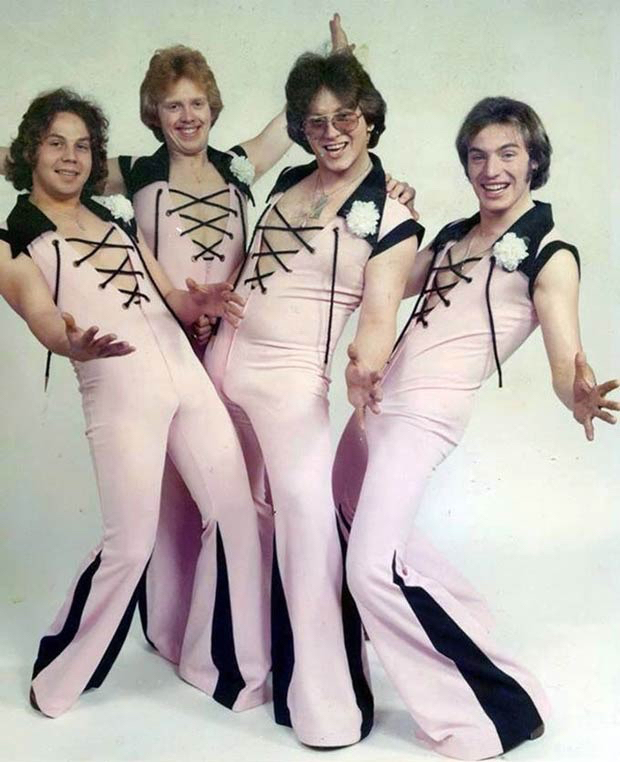
Today’s ephemera: Wasabi Bobby's coping mechanism
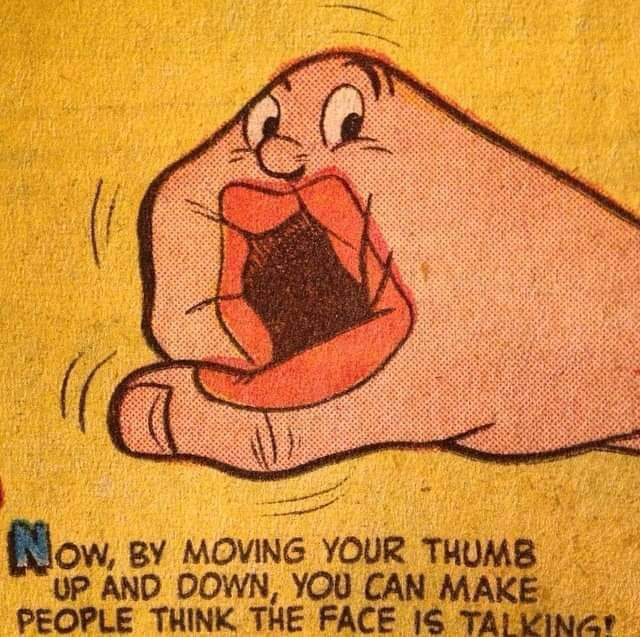
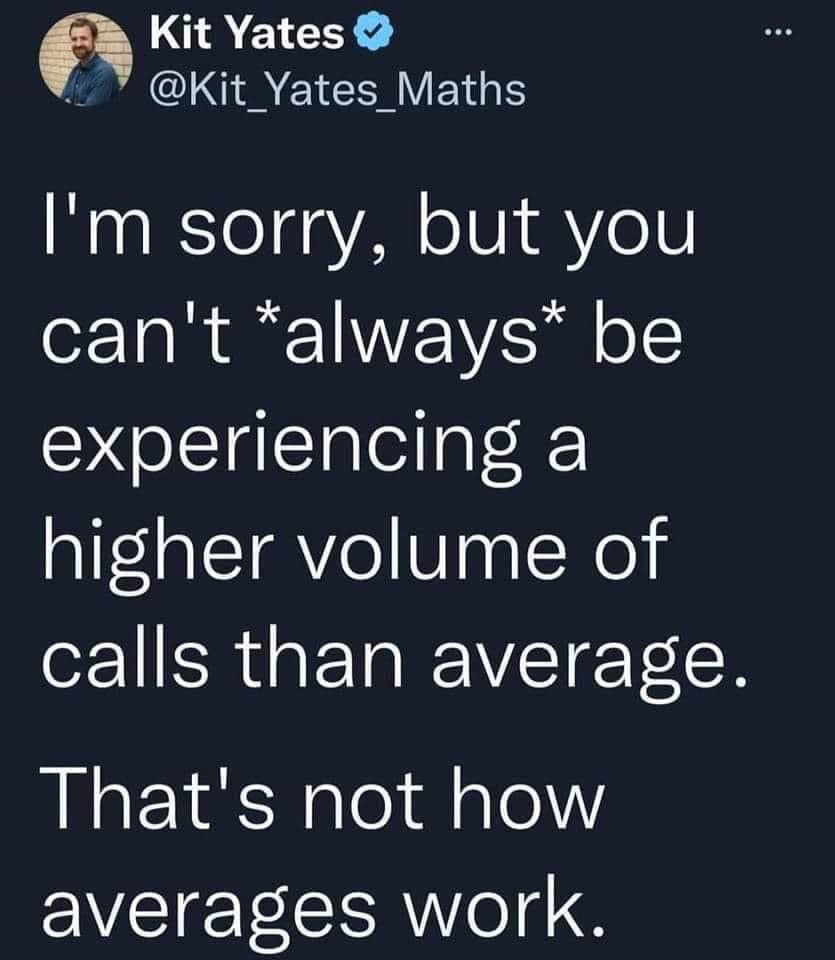

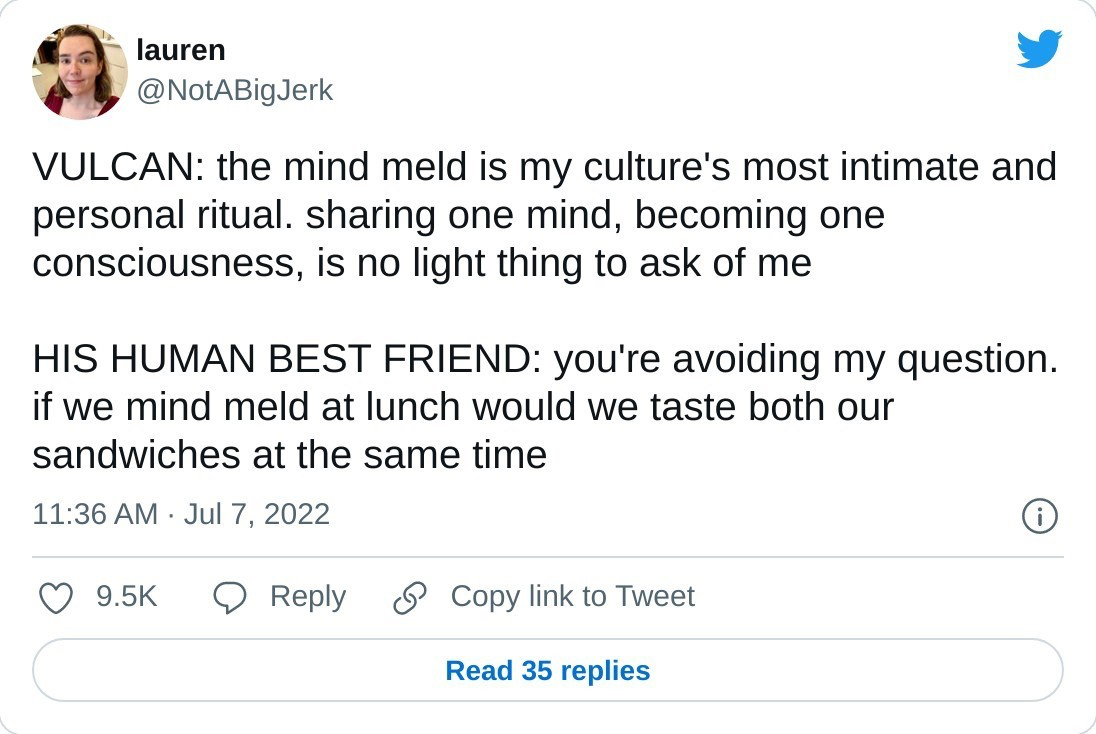

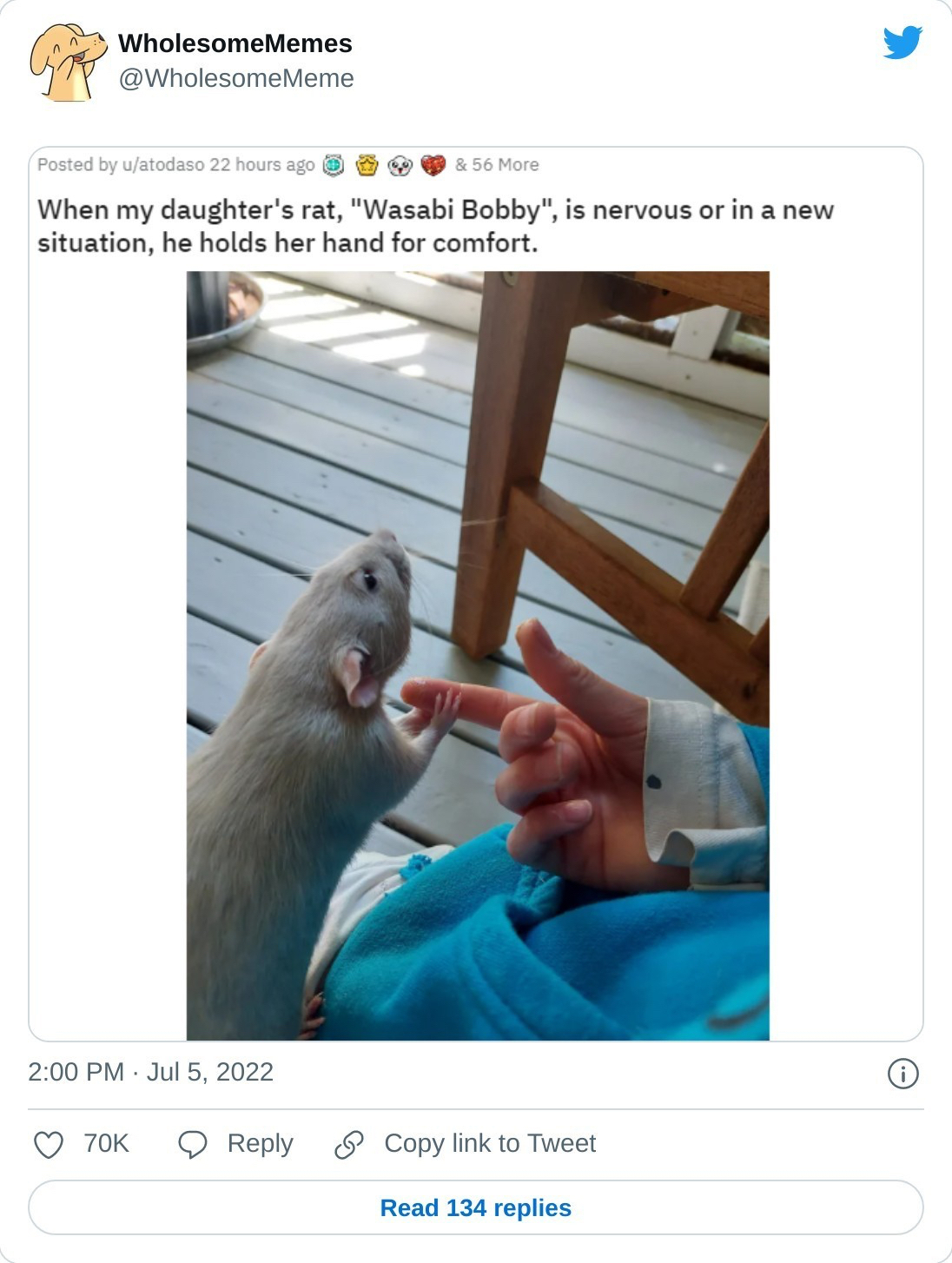
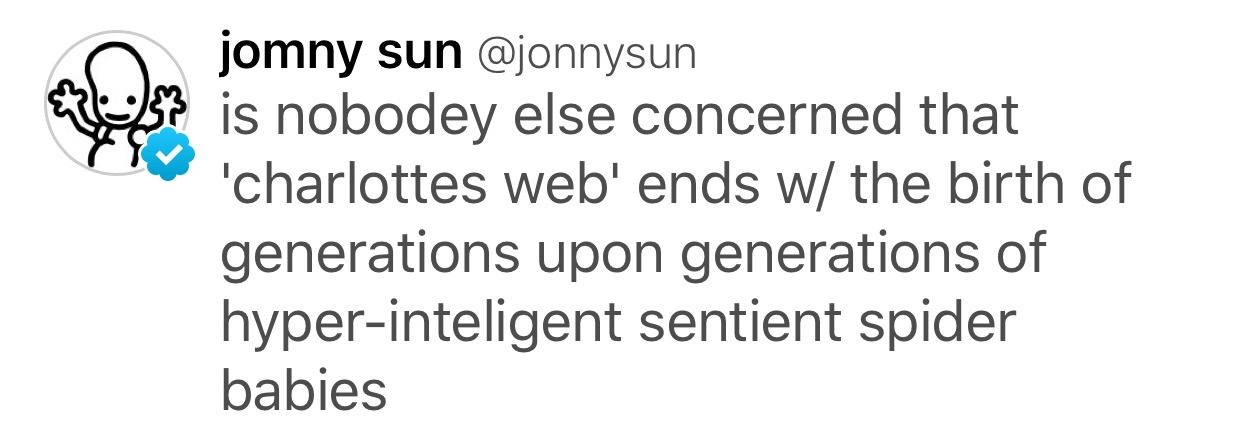
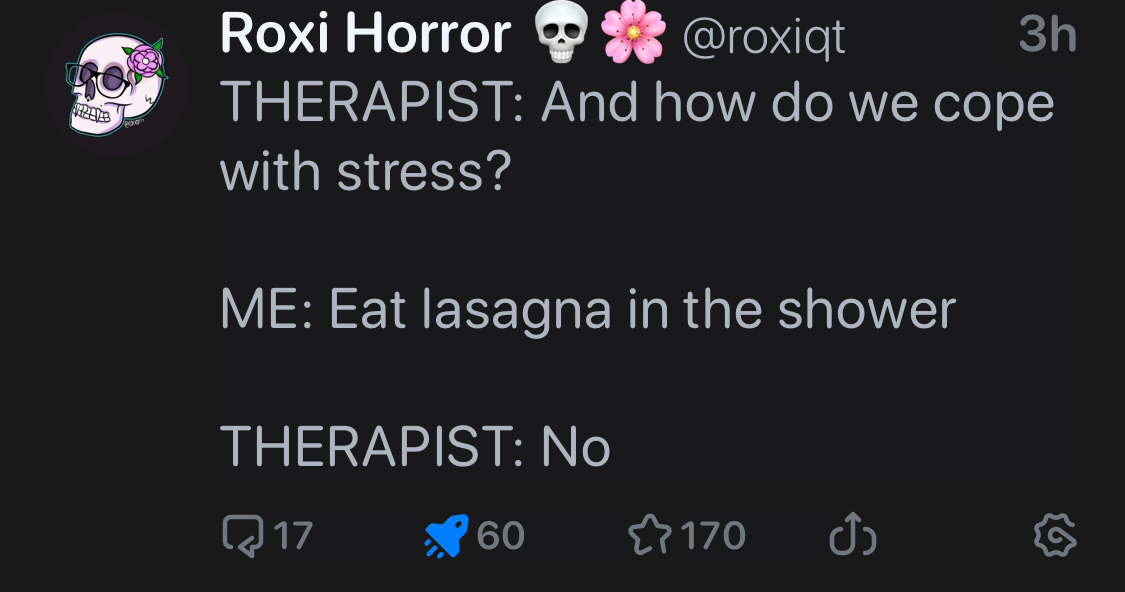
Today’s ephemera: And how do we cope with stress?
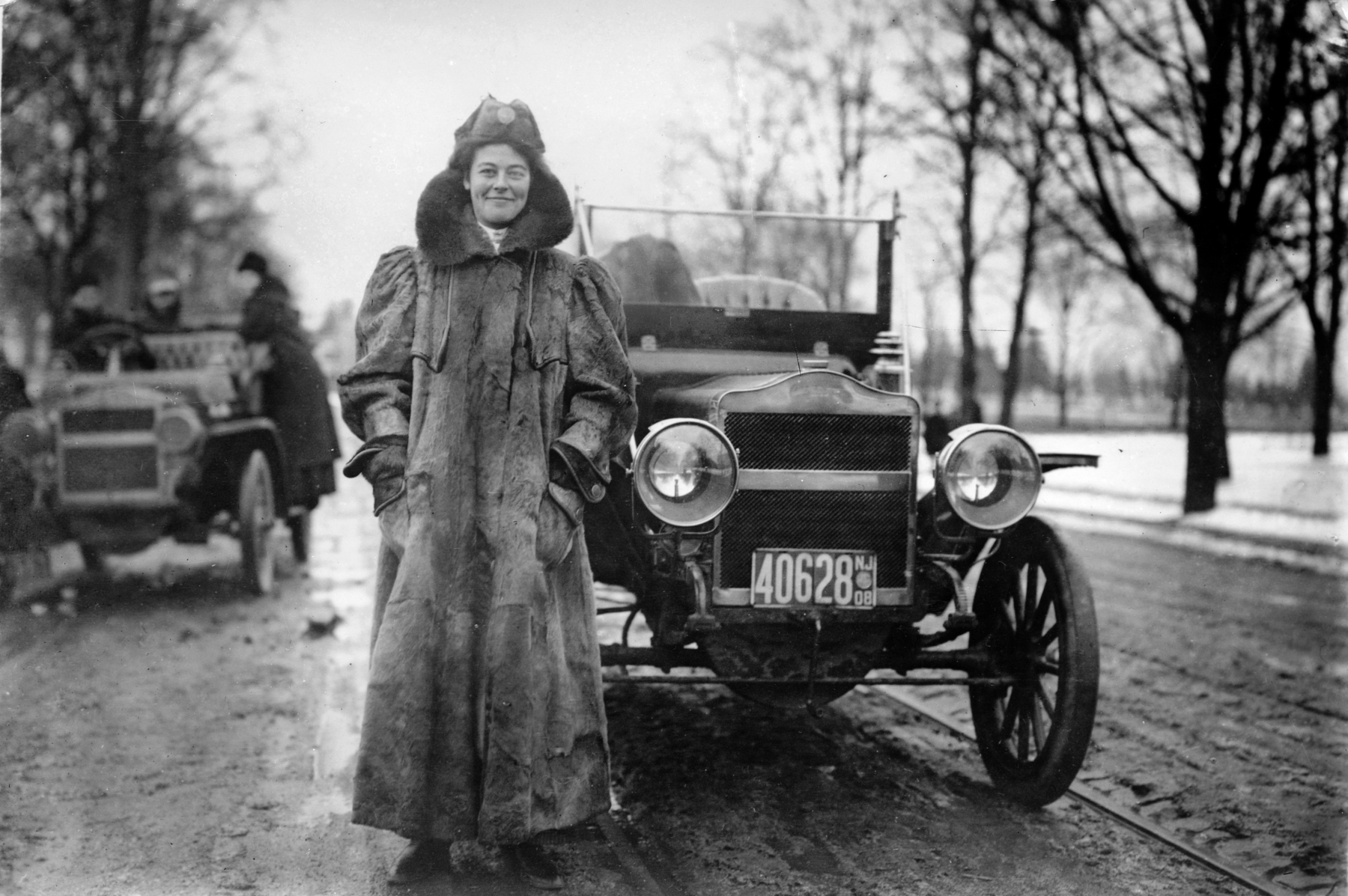
In 1909, Alice Ramsey became the first woman to drive an automobile across the United States en.wikipedia.org/wiki/Alic…
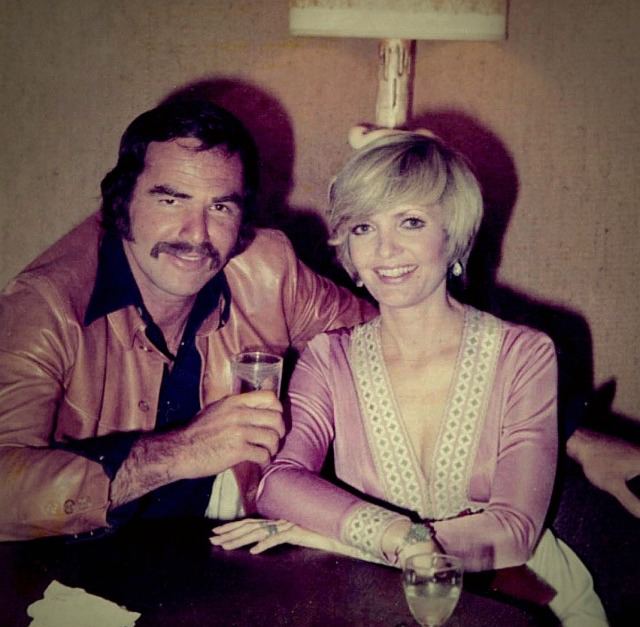
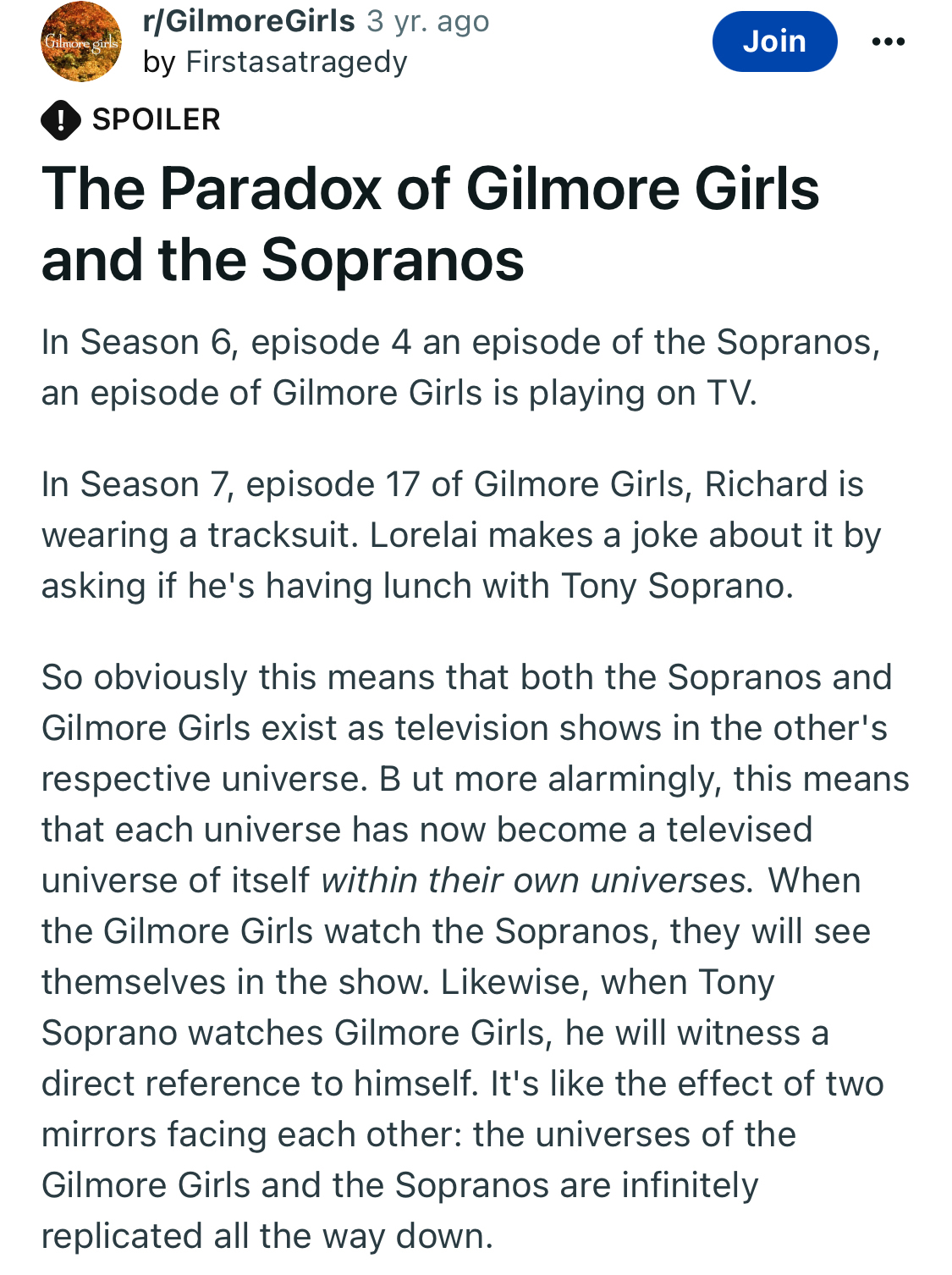
Google shows off AI “news article” writer to newspapers, leaving newspapers to wonder who did the fact-finding, investigating and reporting boingboing.net/2023/07/2…
Rob Beschizza: Google is “pitching a tool to _rewrite _news that’s _already _been published” and the target market is the publishers who originally paid for creating that news.
Florida is requiring schools to teach how slavery benefitted the slaves, and require teaching “acts of violence perpetrated against and by African Americans” when studying race massacres. www.cnn.com/2023/07/2…
These include the Ocoee, Fla. massacre where 40-50 Black people were killed by a mob of more than 250 whites, to prevent the victims from voting in an election. And the Tulsa, Okla., massacre, when white mobs killed up to 300 Black people. And in the Rosewood, Fla., race masscacre, in 1923, a white mob killed six Black people and two whites, and burned down homes, businesses and churches.
Donald Trump warns that “it would be very dangerous” for Jack Smith to jail him. boingboing.net/2023/07/2…
Mighty nice country you got here. Wouldn’t want nothing to happen to it.
I bet a lot of people are found dead in the act of Googling whatever killed them. “Is this spider poisonous?”
Today’s ephemera: moonshine, guns and a Chevrolet coupe
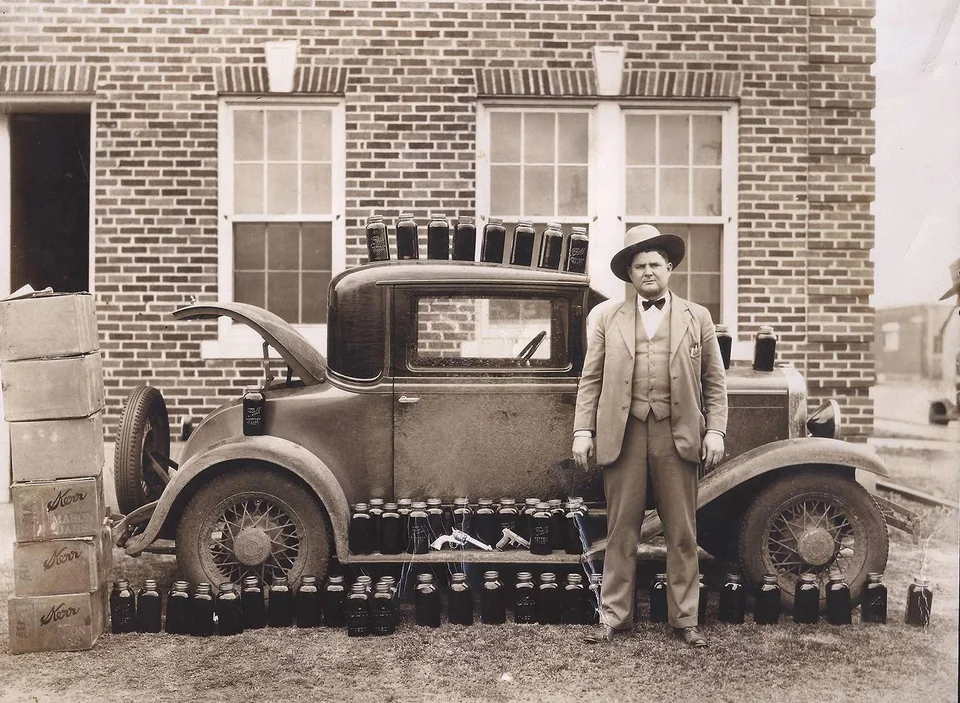
H.S. “Dick” Hickman, Chief of Police in Colorado City, Texas, poses at City Hall with moonshine, guns, and a Chevrolet coupe after an arrest around 1937, as Mitchell County remained dry even after prohibition. Via www.reddit.com/r/History…

Jason Snell: Why everyone should be running the latest betas on their Apple devices www.macworld.com/article/2…
Jason Snell is being a bad influence. I’ve got the public betas on my Watch and iPhone. I like ‘em. I’m holding off on the Mac because I need it to run the business and holding off on my iPads because, well, I haven’t seen a reason to upgrade those.
Google Tests A.I. Tool That Is Able to Write News Articles www.nytimes.com/2023/07/1…
That moment when you drink thirstily from a big glass of water that had been sitting on the counter overnight, and notice two dead fruit flies floating on the surface of the water.
And then you convince yourself there were not three dead fruit flies.
Cosmic Crisp apples are 50% less expensive than Honeycrisp apples, and Cosmic Crisps are better. I will die on this hill.
I made several comments to Julie as I was making coffee. The last one seemed to require a response, and when none was forthcoming, I turned around to look at her to find she had left the room. Probably I’d been talking to myself the entire 10 minutes.
Comic Sans has been reinvented as a monospace font for programmers, according to this article which frames the news in vile anti-Comic Sans propaganda. I like Comic Sans. boingboing.net/2023/07/1…
Marjorie Taylor Greene is a Biden supporter now? Wait, what? boingboing.net/2023/07/1…