




A surprising number of you seemed to enjoy the video of Minnie walking down stairs. Here is another.

You are Atlas. You hold up the sky. If no one is on this page, the sky will fall. youareatlas.com via waxy.org
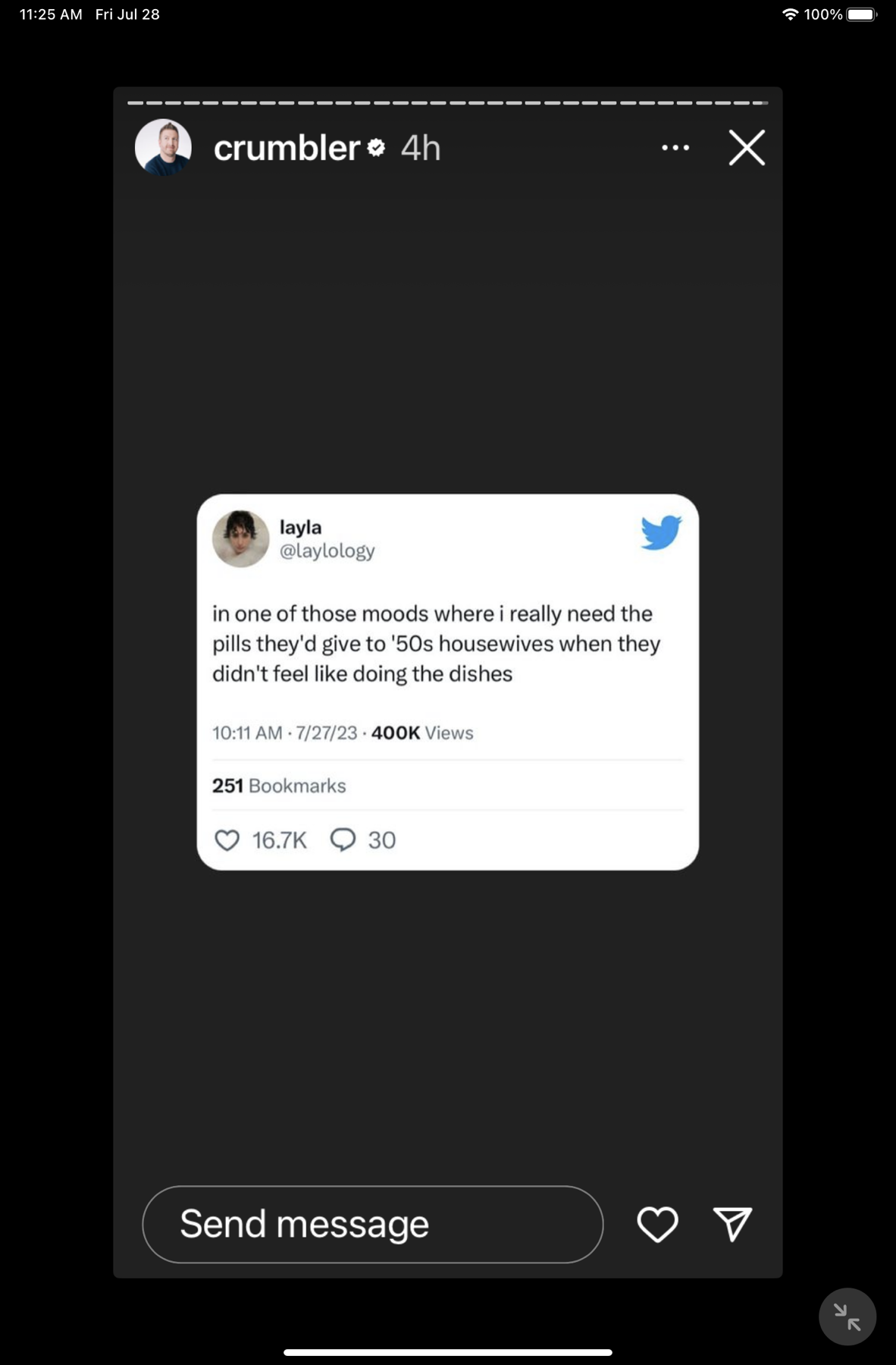
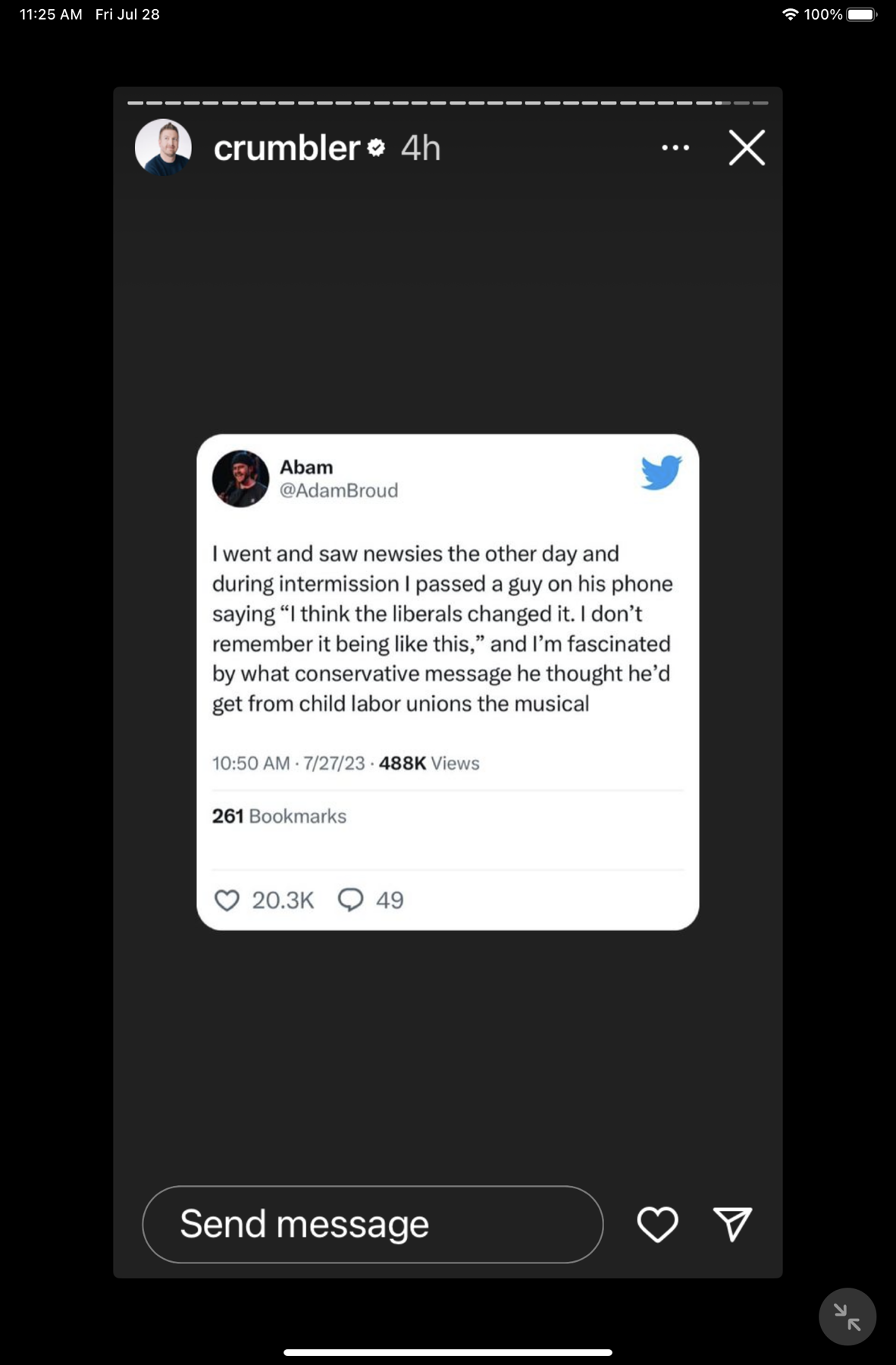

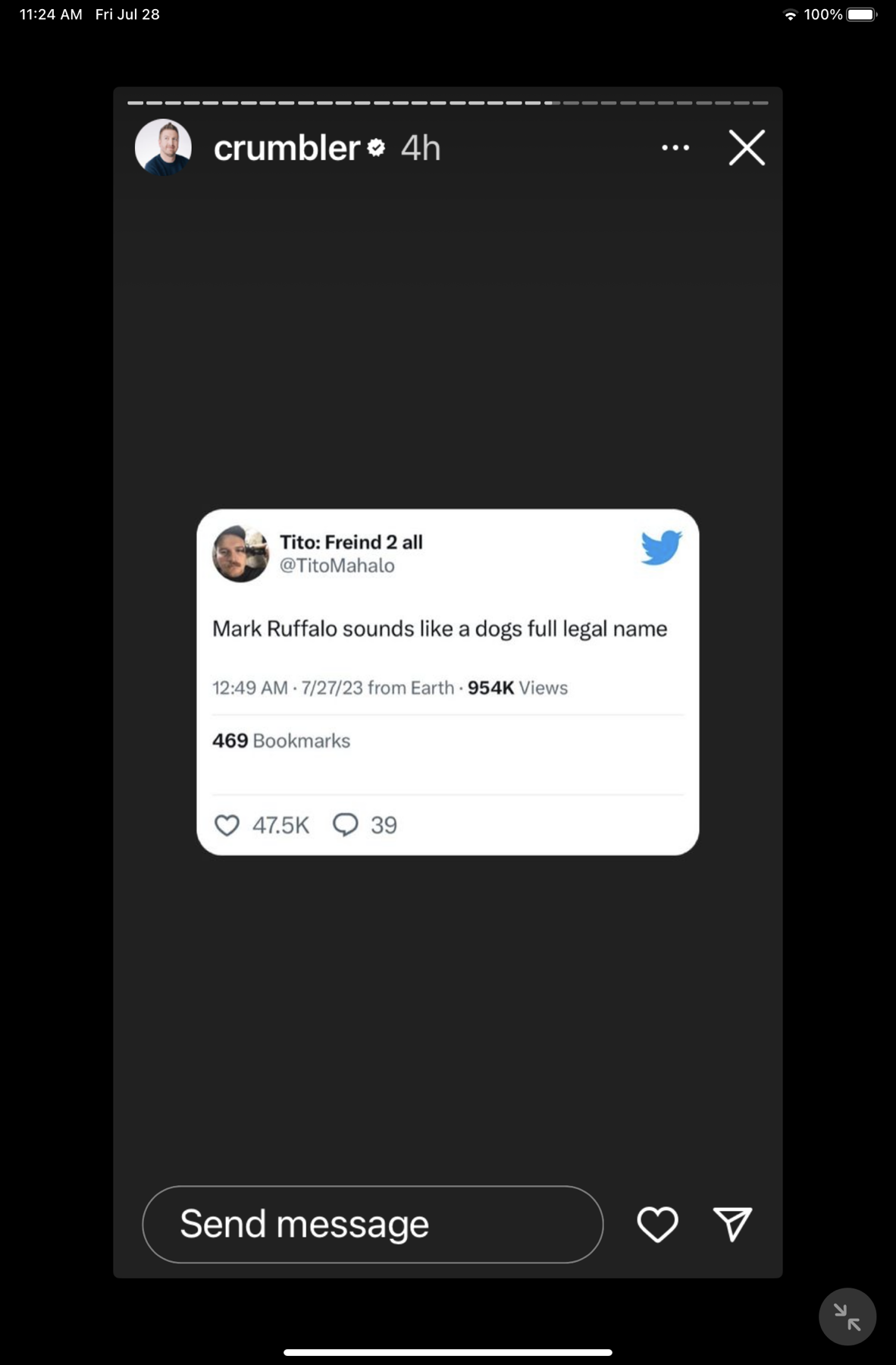
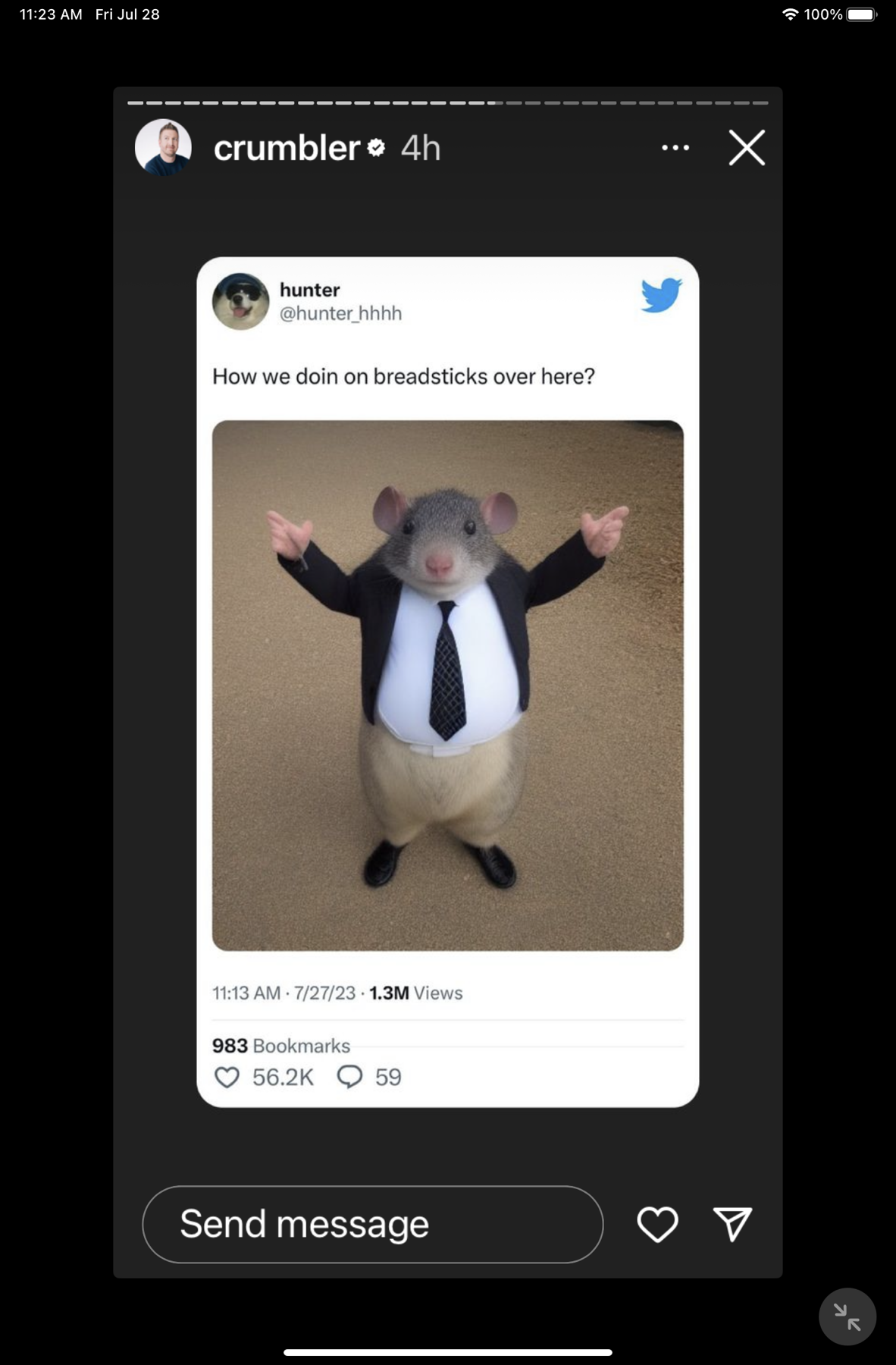

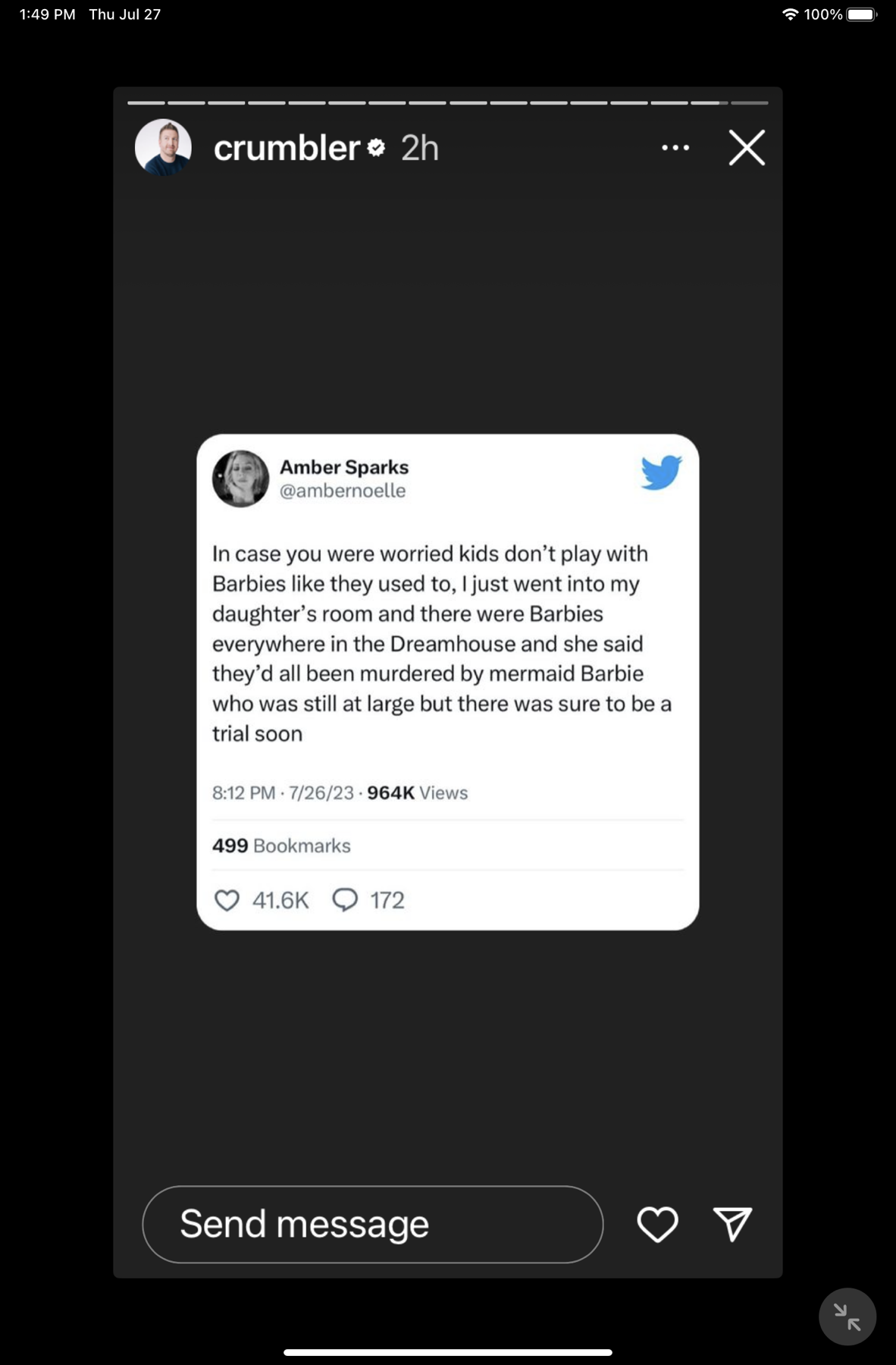
The San Diego Human Relations Commission is a safe space for anti-semitism and transphobia. Or it was—the Human Relations Commission is losing humans, as three commissioners resign in protest over the bigotry. www.msn.com/en-us/new…
Things I saw walking this morning: That lawn has a lot going on. And Purple Snoopy does not live up to his publicity.


Sci-fi writer Ted Chiang: 'The machines we have now are not conscious'
Chiang is the author of brilliant stories which explore themes of consciousness and free will, including “The Story of Your Life,” which was adapted into the Hollywood movie “Arrival,” starring Amy Adams.
Chiang says machines learn language differently from human children, which leads journalist Madhumita Murgia to talk about how their “five-year-old has taken to inventing little one-line jokes, mostly puns, and testing them out on us. The anecdote makes [Chiang] animated.”
“Your daughter has heard jokes and found them funny. ChatGPT doesn’t find anything funny and it is not trying to be funny. There is a huge social component to what your daughter is doing,” he says.
Meanwhile ChatGPT isn’t “mentally rehearsing things in order to see if it can get a laugh out of you the next time you hang out together”.
…
… he asks me if I remember the Tom Hanks film Cast Away. On his island, Hanks has a volleyball called Wilson, his only companion, whom he loves. “I think that that is a more useful way to think about these systems,” he tells me. “It doesn’t diminish what Tom Hanks’ character feels about Wilson, because Wilson provided genuine comfort to him. But the thing is that . . . he is projecting on to a volleyball. There’s no one else in there.”
In the 1970s, a Soviet journalist named Valentin Zorin made a series of documentary films about the United States. At a time when few Russian journalists came to the U.S., Zorin traveled all across the country, and gained access few American journalists had. The Cold War was a battle of ideas, and Zorin saw himself on the front lines. He was on a quest to unmask the United States by spreading doubt, conspiracy theories, and a strange cocktail of truth and misinformation.
— Children of Zorin, on the Last Archive podcast www.pushkin.fm/podcasts/…
“Over my many years in politics and business, I have found one thing to be universally true: the kindest person in the room is often the smartest.” daringfireball.net/linked/20…

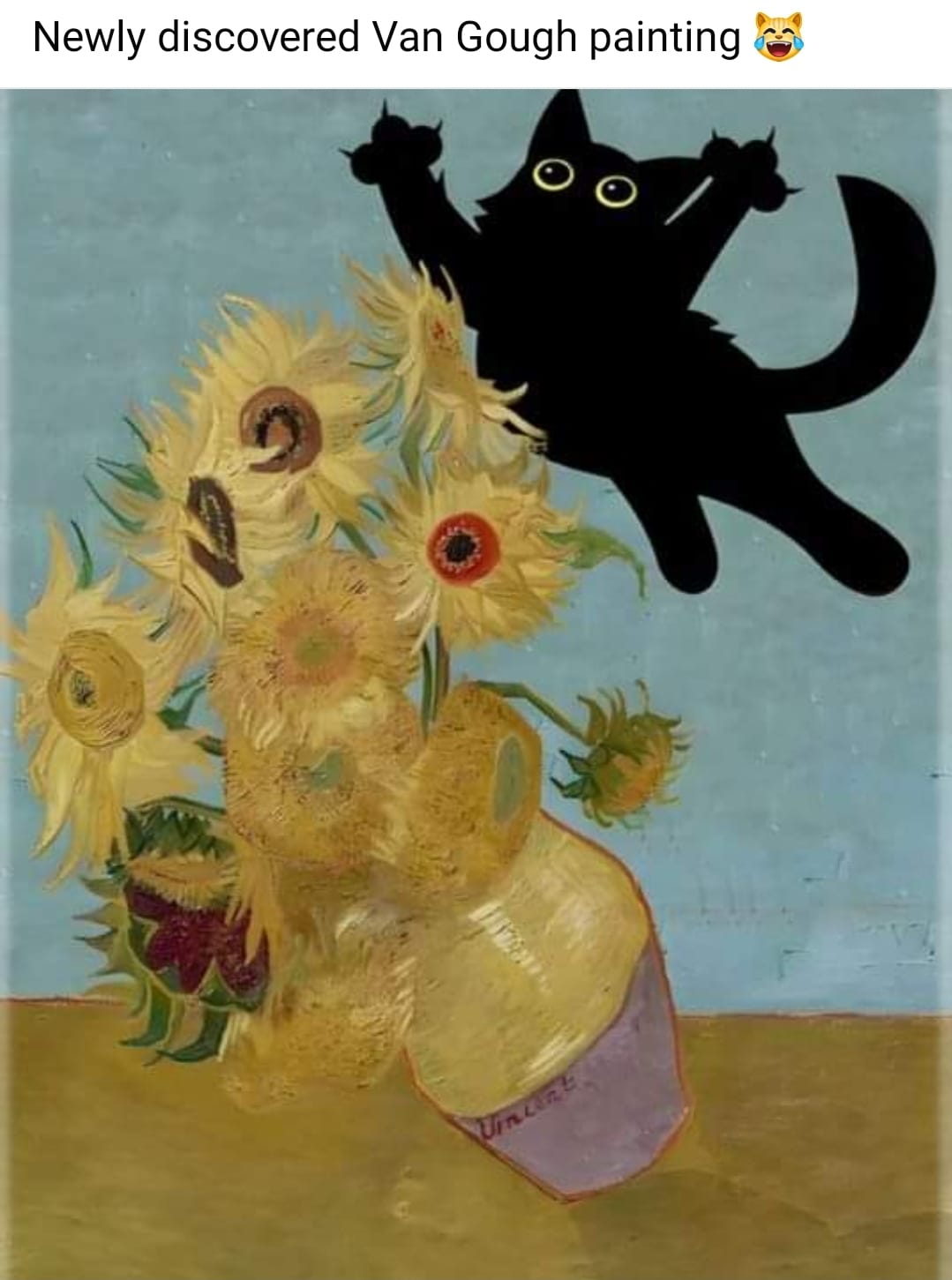


Thunderation! The Speaker Demands Bean Soup (1904) On July 27, 1904, Speaker of the House Joseph Cannon went to the Capitol dining room looking forward to his usual bowl of bean soup, “and is met with an unfortunate surprise.” Cannon raised a fuss (because I guess there was nothing more important going on in 1904). Bean soup has been on the menu every day since—except for one.
On the “This Day in Esoteric Political History” podcast, which points out that it’s bonkers to want a hot bowl of soup for lunch in Washington D.C. in July before air conditioning was invented.
You’ll never guess what Twitter did with the guy who had the @X handle (spoiler: you will guess) daringfireball.net/linked/20…
The FBI is once again violating legal restrictions on spying on American citizens, querying communications with a state senator and US senator. The queries are a violation of FISA Section 702, which provides limited permission for the FBI to tap American communications overseas. The FBI has shown its disregard for the law. Moreover, “we live in a globalized world where U.S. persons regularly communicate with people in other countries,” making Section 702 excessively broad even as written, writes Matthew Guariglia at eff.org. www.eff.org/deeplinks…
Red Hat’s recent decision to restrict the source code for its enterprise Linux build has led open-source projects big and small to come up with creative strategies to continue to serve their users. www.vice.com/en/articl…
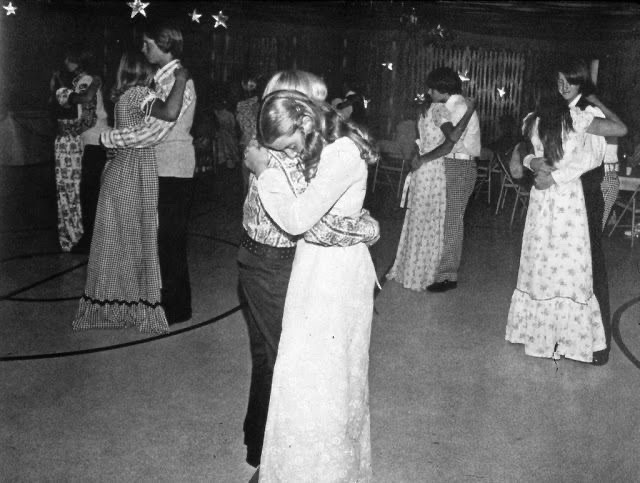
It’s uncomfortable when you’re at the supermarket and you hear a song that you once thought was edgy and dangerous. This is not a problem if you’re into death metal or Yoko Ono.
A brief history of making out. Turns out “romantic, sexual, steamy” kissing isn’t instinctual behavior; it’s a learned cultural practice. A lot of societies don’t do it, most primates don’t do it, and people only started relatively recently, a few thousand years ago. On the Decoder Ring podcast, hosted by Willa Paskin and produced by Paskin and Katie Shepherd. slate.com/podcasts/…
This podcast pairs nicely with this week’s episode of Savage Lovecast, where host Dan Savage talks about primate masturbation with evolutionary biologist Dr. Matilda Brindle. savage.love/lovecast/…
Ghost Church: The delightful Jamie Loftus looks at the American spiritualism movement, including its history, and she visits the Cassadaga Spiritualist Camp in Florida. Loftus is funny, wise and takes a friendly but skeptical view. www.iheart.com/podcast/1…
Loftus previously did podcasts about joining Mensa for a year and the comic strip Cathy.
Her podcast about Nabokov’s “Lolita” discusses how nearly 70 years of critics and filmmakers completely miss the point of the novel by portraying Humbert Humbert as a victim of a seductress. He’s not the victim—he’s a pedophile who destroys a little girl’s life. www.avclub.com/jamie-lof…