
This is an excellent list of all the Star Trek movies, ranked, though I can argue with a few points: The list gives high marks to “Star Trek VI,” whereas I found it disappointing. It looked cheaply made and the story was a “Law & Order” episode.
The list ranks “Star Trek V” as the worst Trek movie. I thought it was fine. Kirk hams it up, there’s a bullshit metaphysical theme and plenty of action. That’s what I come to “Star Trek” for.
My biggest argument with the list: It excludes “Galaxy Quest,” the Star Trek movie GOAT.
Jules Feiffer, a ‘smartass’ Jew whose work spanned comics and cinema, dies at 95.
He filleted the neuroses and narcissism of the age, but also the misrule of its leaders, showing, for instance, a young boy watching a series of consecutive presidents giving televised speeches on the war in Vietnam ending. The boy gets older until, at last, he’s in a flag-draped coffin.
…
One characteristic comic, which seems to have anticipated the term mansplaining – or the Me Generation – shows a couple at a restaurant. The man releases a flurry of “Me"s. When his date, a woman, responds with a solitary “I,” he yawns.

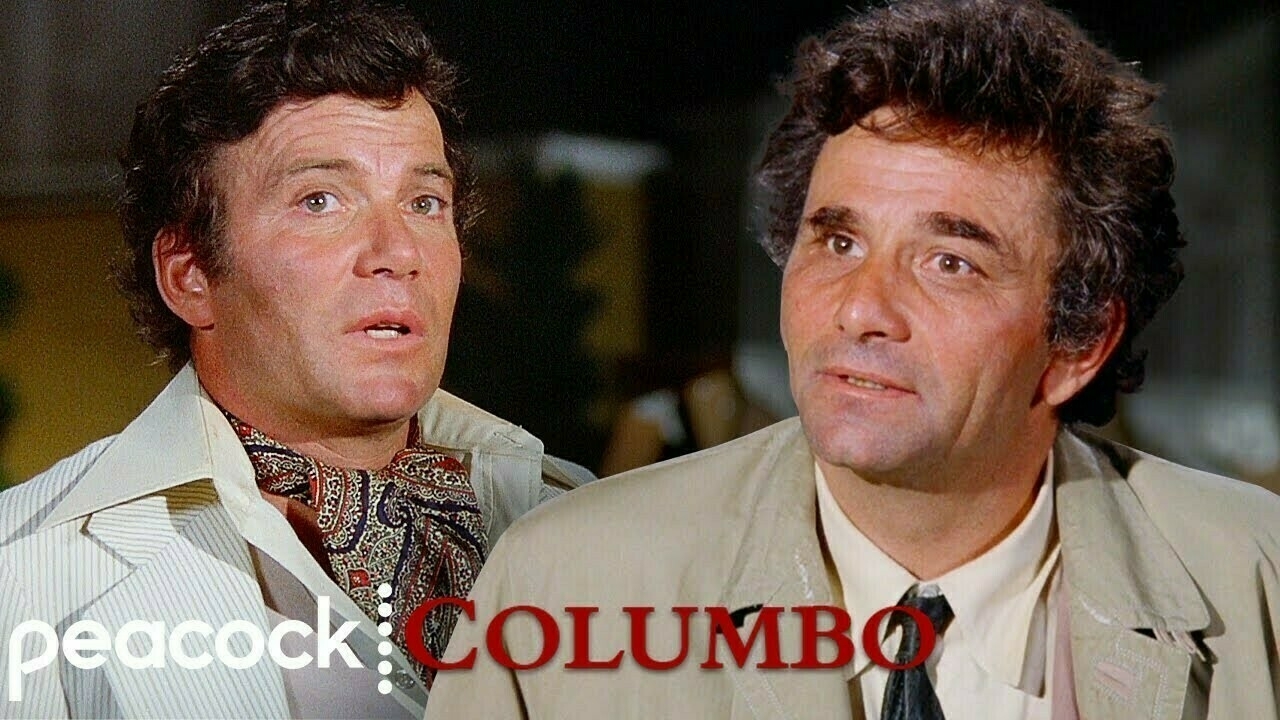
We’ve been watching 70s TV mysteries. Rockford, Columbo, McMillan & Wife, McCloud.
Ascots need to make a comeback.

Musk did a Nazi salute at a rally. Twice. And people are trying to explain away what they plainly saw.
Inspiring thoughts from Josh Marshall
I’ve seen headstrong winners of close elections high on their own supply before. As I wrote a couple weeks ago, all of this is meant to hit you with so much sensory stimulus that you become overwhelmed. But the images you see wrapped around you in an iMax theater aren’t real. It’s still a movie.
Marshall also notes a “for the ages” photo of the CEOs of Amazon, Meta, Google and Apple, “at an inaugural church service feting Donald Trump this morning at St. John’s church across the street from the White House.”
Marshall:
You may not have a billion dollars but your dignity is all yours. No one can take it from you. Compared to some you can already be ahead of the game.
One step at a time. They’re not as big as they look.
I’m doing a bit of volunteer work for our local Democratic club this morning.
I did not time the work to coincide with the inauguration — the work just needed doing today. Still, I’m glad it happened that way.
I can’t affect national politics but I can have a big effect locally. I’m focusing most of my efforts on that.
Why social platforms enshittify: Sure, social platforms value profit above everything — but they always have. What changed? Answer: The guardrails are off. By Cory Doctorow @pluralistic@mamot.fr.
Ezra Klein: Trump Barely Won the Election. Why Doesn’t It Feel That Way? The election was a squeaker — Trump won by just 1.5 percent of the vote, the smallest margin of any Presidential victory since 2000. Downballot performance was lackluster. But Trump and MAGA are riding the cultural vibe shift. However, governing is a lot harder than campaigning and posting. And vibes shift fast.