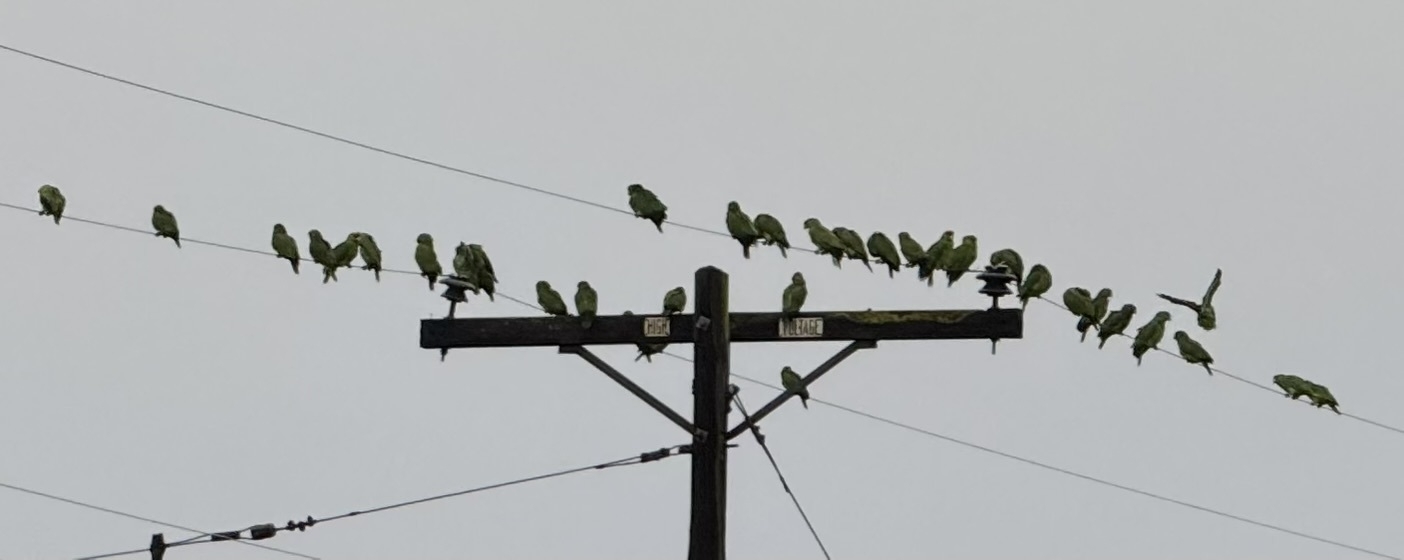
Here is something I saw walking the dog this morning: Dozens of parrots hanging out on overhead wires on the street. A neighbor said they had been making a racket a few minutes earlier.
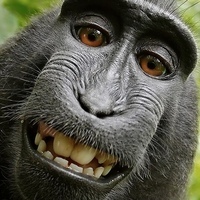
What we’re witnessing in the US now resembles the fall of the USSR. But instead of Boris Yeltsin giving a rousing speech on top of a tank, a tiny car drives onto the Washington Mall. Then, a bunch of clowns spring out of the car, spraying confetti everywhere and hitting each other over the head with giant mallets.
Eleven years ago today, according to my journal, we were having a great deal of difficulty potty training the dog.
I found this article to be a useful guide to getting more from Grammarly. I’ve subscribed for years, but I see now there are capabilities I was not taking advantage of.
In the article, Adam Engst at TidBITS says Grammarly beats Apple Intelligence. I find that believable. I switched Apple Intelligence off all my devices; it seems to be Apple’s biggest flop since the butterfly keyboard. Apple Intelligence makes everything worse.
Here are a couple of things I saw while walking the dog this morning
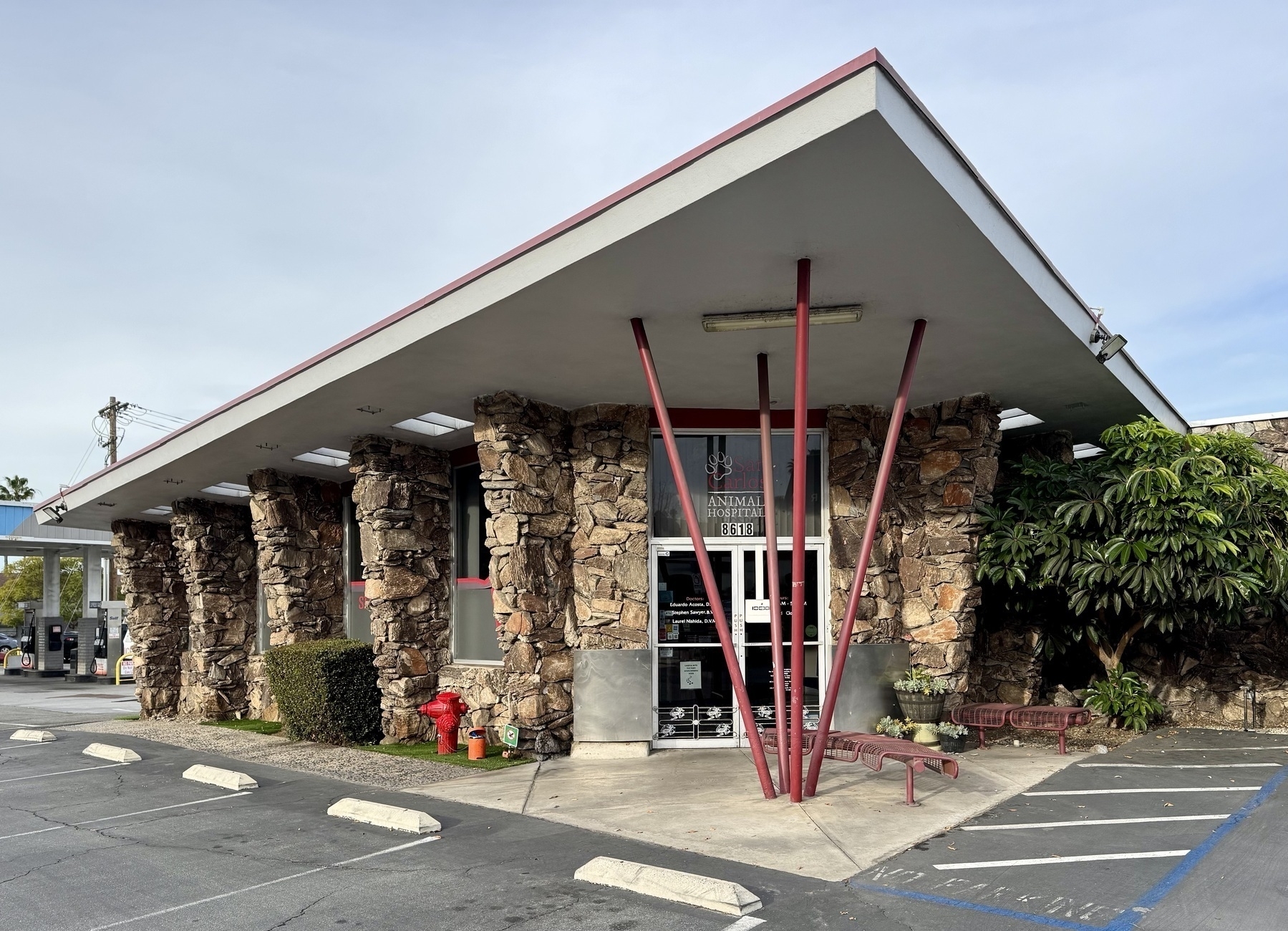 This building is now an animal hospital, but I feel like there must have been a private detective office in there at one time.



DOGE is re-hiring Marko Elez, a staffer who resigned after he made vile, racist posts on Twitter.
The posts called for normalizing hatred of Indians, the destruction of both Israel and Gaza, and proclaimed that “Just for the record, I was racist before it was cool.”
Both Trump and Vance spoke out on his behalf. Vance is married to an Indian woman. cnbc.com
Self-described “free speech absolutist” Elon Musk says the WSJ reporter who doxxed Elez is “disgusting and cruel” and should be fired. mediaite.com
When fascists like Musk advocate for free speech, they are advocating for free speech for themselves, and their own right to dictate others’ speech.
“We are witnessing a private equity-style plunder of the entire US government -- of the USA itself.”
Cory Doctorow: The US is now being run by private equity hatchet-men, the same class of looters who suck the value from businesses, “converting their businesses from selling things to renting them out, loading them up with junk fees, slashing quality, jacking up prices over and over, and firing everyone who was good at their jobs.” pluralistic.net
These predators took down companies like Red Lobster, Toys R Us and Sears. Now they’re doing it to the United States.
Related: Dave Winer shares a link to the scene in Goodfellas where the main character explains how busting out a local restaurant works. “Fuck you. Pay me.” This is what Trump, Musk and their cronies are doing to the US now. youtu.be