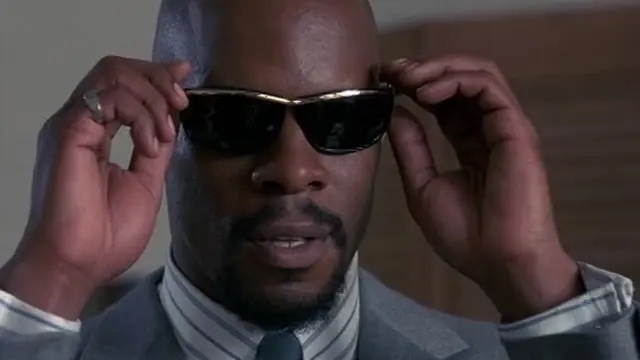
‘A Black Thing.’ Fani Willis’s father explains why his daughter keeps cash: John Clifford Floyd III, attorney and former Black Panther, says that when he was younger, Black Americans couldn’t count on white-owned businesses accepting credit cards from them. And so he taught his daughter to always keep six months' cash on hand. crooksandliars.com
"Stinge-watching" vs. binge-watching
“Stinge watching” is the opposite of binge watching, says Jason Kottke—when you love a show so much that you stingily portion it out, postponing watching episodes to extend the pleasure.
We sometimes binge-watch, but not often. Generally, we watch 45 minutes to an hour of episodic TV every night. Sometimes a movie on weekends—and I like it better when movies are under 1 hour and 45 minutes. I feel like that’s the amount of time I want to spend watching TV. And yes that does have the beneficial side-effect of extending the pleasure of a good show.
We recently raced through the show “Funny Woman,” because it was so engaging. We watched three 45-minute episodes one night and two another. Does that count as binge-watching?
I went out to walk the dog the other day and discovered I’d forgotten to charge my AirPods. I found wired earbuds in a box near my desk, where they’d been unused and unopened for five years since I got them as a free giveaway. They worked fine. This is why nothing ever gets thrown out in our house.

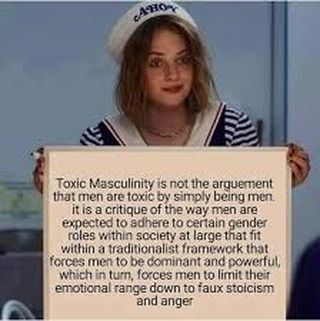



I’ve been hearing about the Perplexity search engine, a competitor to Google. www.perplexity.ai I tried it yesterday and it’s really quite good. It’s like ChatGPT with links to sources. Those links are important because the inaccuracy problem with Perplexity is bad, like any other generative AI.
When I’m using Wikipedia for serious research, I fact-check by looking for the blue footnote links and following those to the source articles. Perplexity seems to work the same way, although Perplexity—like all conversational AI—is significantly less accurate than Wikipedia.
Play this video when you want to pretend to be busy so people will leave you alone. Say “yeah” at the three-minute mark.
Enterprise leaders swing between confidence and sleepless terror over AI.
Fear of missing out (FOMO) vies with fear of messing up (FOMU).
Enterprise leaders say they’re well along in their AI implementations and ready for more, but they’re also afraid of falling behind competitors, according to a study by Juniper Networks and Wakefield Research. These leaders are also concerned that employees within their organizations are out of control in their AI use.
My latest on Silverlinings.
“The Hucksters:” A sitthroughable 1947 romcom and satire starring Clark Gable
Clark Gable is a veteran returning home from World War II eager to resume his pre-war lifestyle as a playboy ad-man, but ultimately finding the life empty and unsatisfying. He takes a high-paying job at an ad agency, in the course of which he meets beautiful war widow Deborah Kerr, which causes him to change his values.
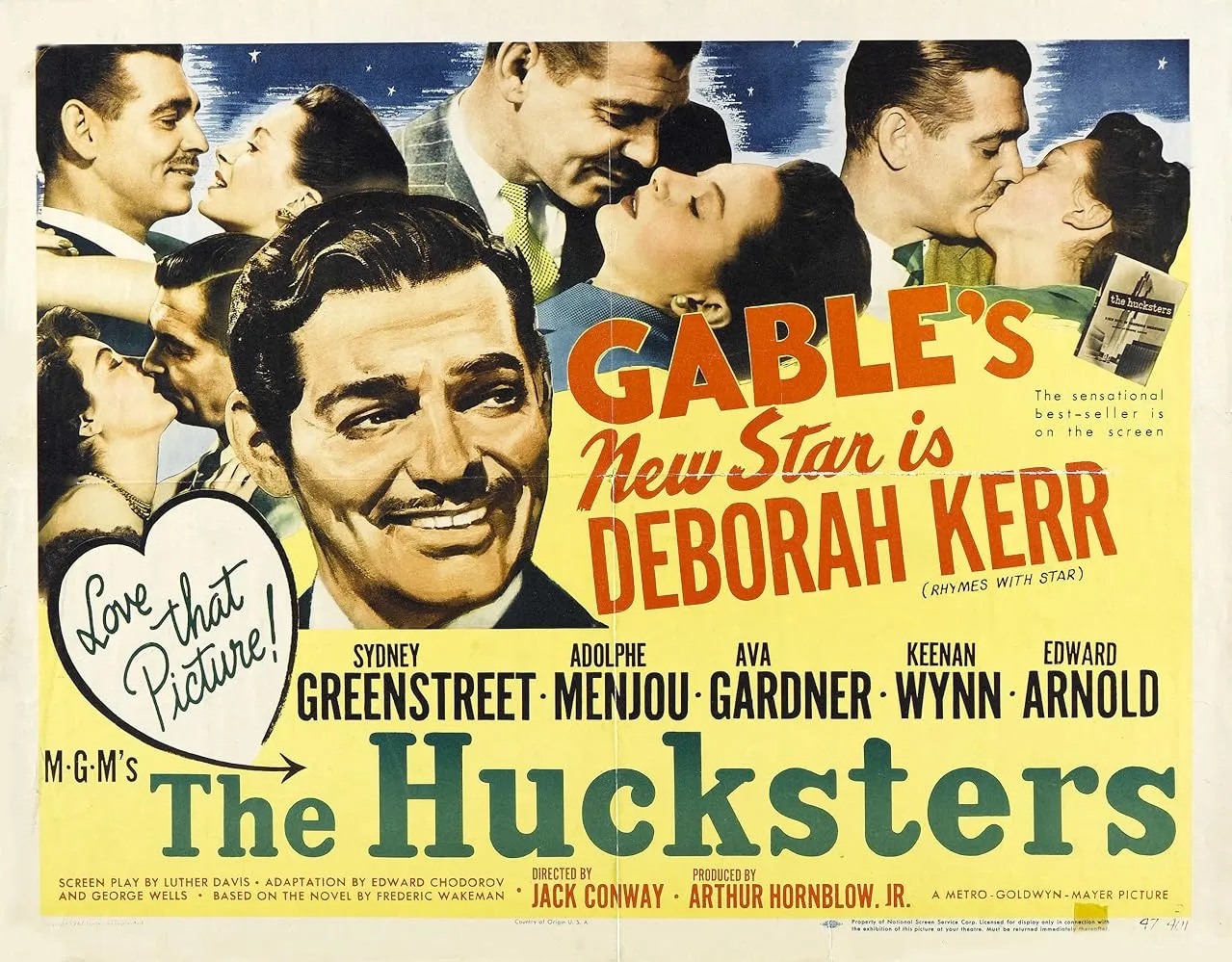
The movie was ok, but not actually good. Plenty of close-ups of Gable’s face, which reminded me that he was actually a homely man, with big fleshy lips and bad teeth. He was often on the phone with Deborah Kerr’s character, and it was unsettling to see close-ups of his lips doing air kisses.
On the other hand, I can also see why he was a huge sex symbol. He had charisma.
Deborah Kerr’s character was a blank cipher, an empty receptacle for Victorian views of chastity and virtue. She had no discernible personality, ambitions or thoughts other than attaching herself to Clark Gable. Gable and Kerr had zero chemistry together.
Clark Gable’s character was also pursued by an ambitious lounge singer played by Ava Gardner, the only really interesting character in the film. In addition to being smokin’ hot (on account of being Ava Gardner), she was also funny, smart and charming, and made it very clear that the main character could have her anywhere and at any time, for a quickie, lifetime commitment, or anything in between.
Clark Gable’s character, of course, rejects Ava Gardner in favor of Deborah Kerr. Because Ava Gardner’s character was a Bad Girl I guess.
The movie features a hell of a cast doing great work despite a lackluster script and story: Sydney Greenstreet as an evil soap company magnate, Adolphe Menjou as Clark Gable’s unscrupulous boss, Keenan Wynn as a talentless, shameless comedian who’s desperate for work, and more. Truly, the entire cast was great—not a dud in the lot—they just didn’t have much to work with.
And the movie has great midcentury design, direction, and dialogue. It’s visually very nice, except for too many close-ups of Clark Gable.
Overall, I enjoyed it, but I can’t say I’d recommend it.
According to Wikipedia, the movie was adapted from a best-selling novel, which was considered raunchy and racy in its day. Even Gable said it was “filthy” and “isn’t entertainment.” The story was toned down for the movie—as far as I can see, they removed nearly all the spice from it and made it bland and uninteresting.
One storyline involves a fictional talent agent named “David Lash,” played by Edward Arnold. In the novel, he was based on a real agent of the time, Jules Stein, founder of MCA, but the filmmakers were afraid of Stein, so they had characters repeat several times that Lash is an honest man.
In a pivotal scene in the movie, Clark Gable’s character threatens to spread gossip about Lash that will cause people to think Lash is dishonest. Lash is portrayed as heartbroken, not for himself, but because he got in trouble when he was young, went straight and succeeded, and he fears besmirching the reputations of all troubled kids. Gable’s character is disgusted with himself afterward.
It’s an odd scene that doesn’t really work.
But in the book, Lash is presented as Jewish, and Clark Gable’s character threatens to fan the flames of anti-Semitism, which would have been a more powerful scene if the filmmakers had gone through with it.
Also this:
As the start of production neared, Ava Gardner grew nervous about appearing with Gable, an actor she had idolized since childhood. [Producer Arthur Hornblow Jr.] asked Gable to call her, and he told her: “I’m supposed to talk you into doing this thing. But I’m not going to. I hated it when they did that to me. But I hope you change your mind, kid, I think it would be fun to work together.” The two remained friends for the rest of Gable’s life.
Gable also sought to make a nervous Kerr feel relaxed when shooting commenced. He sent her six dozen roses on the first day, and “the two hit it off beautifully from the beginning, on and off the set.”
I don’t know anything about Gable but he sounds like a true gentleman.
Are there not-too-expensive alternatives to Grammarly? I’m starting to get fed up with it.
I began using Grammarly a year ago and loved it for most of that time, but it generates so many false positives that grinding through them can be a chore. I accept only about 30% of the suggestions it makes.
Also, the little helper chiclet that it puts on-screen gets in the way far too often. It is a horrible, horrible user interface and it drives me crazy.
Young people may find this hard to believe, but I remember back in the old days we spent hardly any time making sure our devices were charged.
Overheard: A chain of grocery stores that specialize in donuts, bagels, Swiss cheese, Cheerios and Lifesavers. It would be called Hole Foods.
I don’t know why the new generation of productivity apps hates folders, but I’m sure enshittification has something to do with it.
I have rediscovered the “hide” command in Apple Photos. It’s great if you want to get photos out of sight but do not want to commit to deleting them. I’d forgotten about that command for years.
A mob set a Waymo self-driving car on fire over the weekend. arstechnica.com
Videos of the incident are all over social media. … In one video, a crowd of people surround the car, preventing it from moving. The vehicle is already covered in graffiti and has several smashed windows. One person then throws a lit firework into the cabin; the firework explodes and a fire starts inside the car. The Waymo car then burns to a crisp while it helplessly flashes its hazard lights.
I had a blood draw this morning, and I had a skilled phlebotomist. “Skilled Phlebotomist” would be a good name for a podcast.






Today’s memes: Mickey Dolenz’s Moog
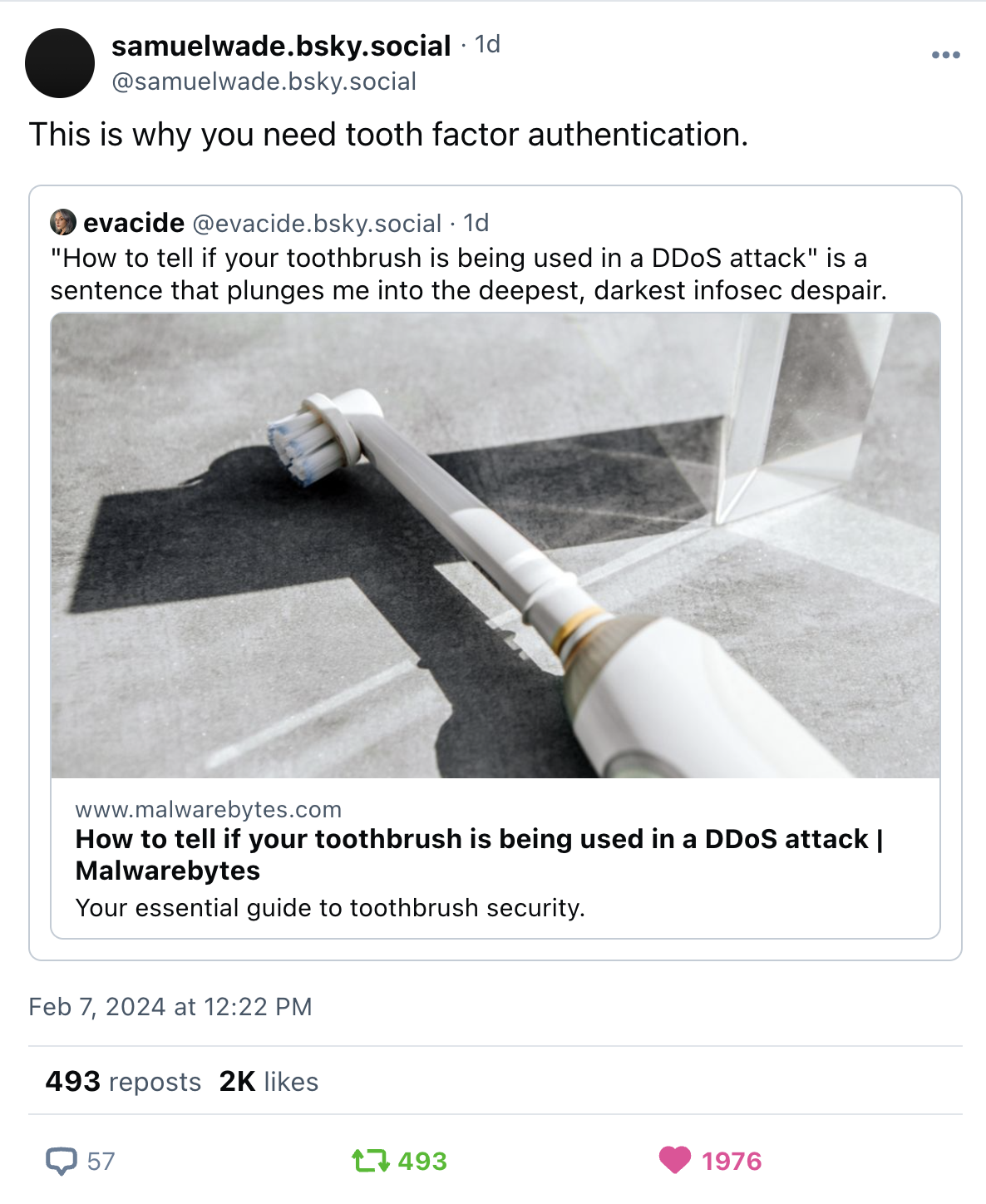
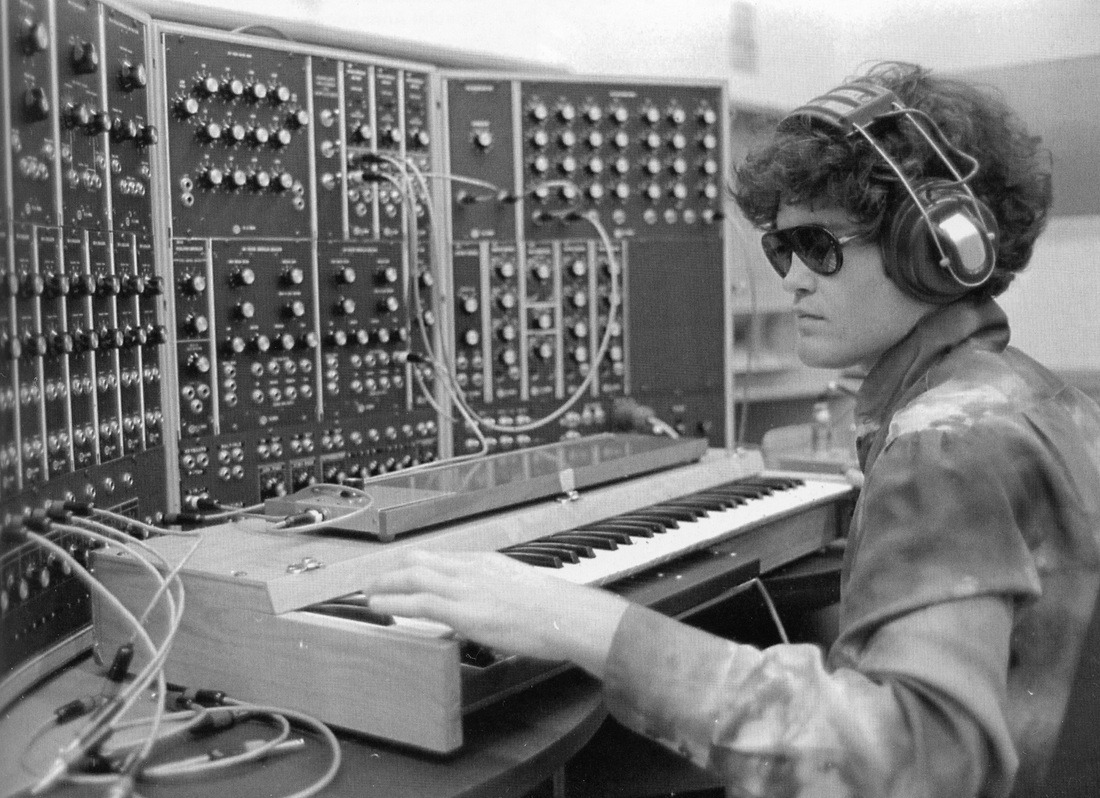
“Micky Dolenz owned one of the very first Moog synthesizers after seeing one on display at the Monterey Pop Festival in 1967. According to Micky, ‘I threw a party for John Lennon one night, and he sat there at the Moog for four hours making flying saucer sounds. It was great for flying saucer sounds.’” via

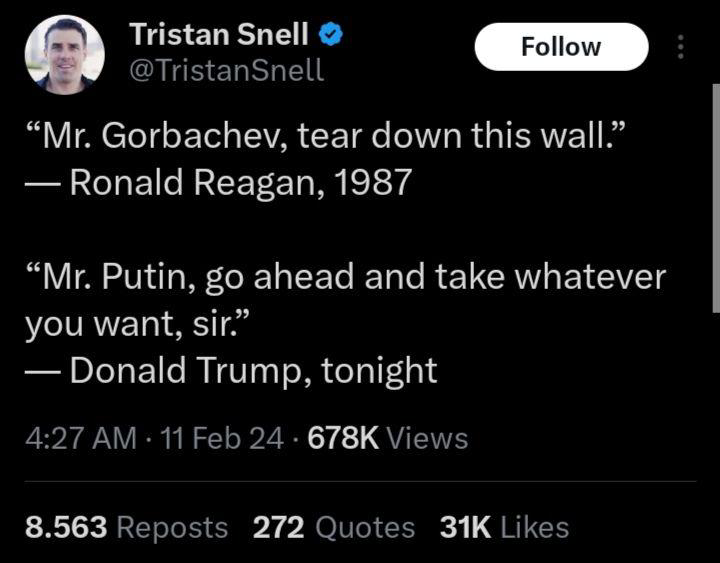
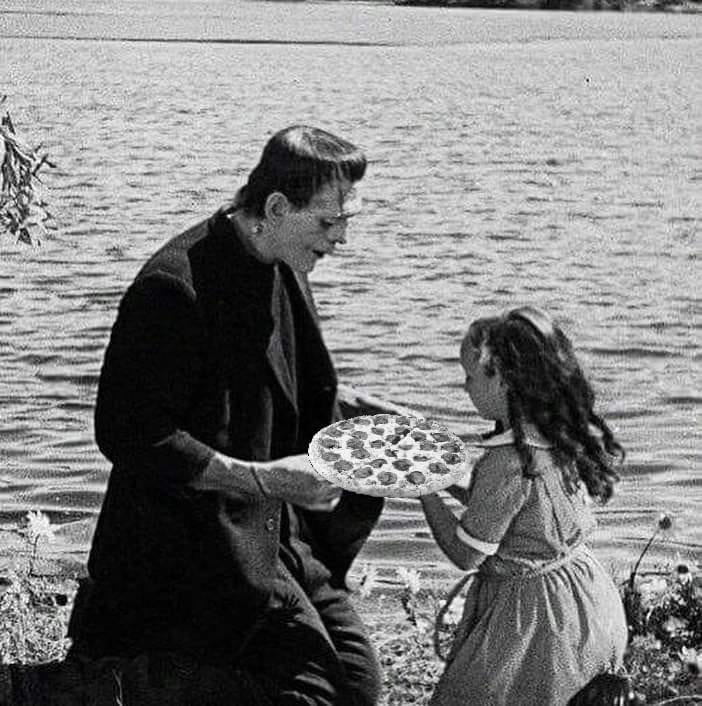
Dune
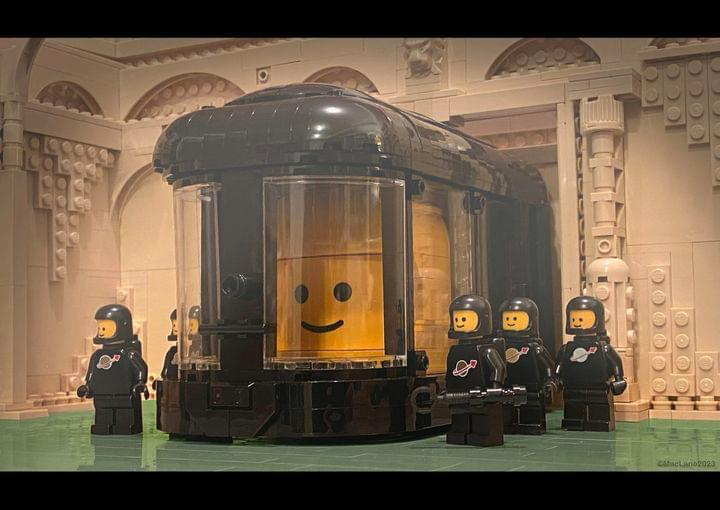

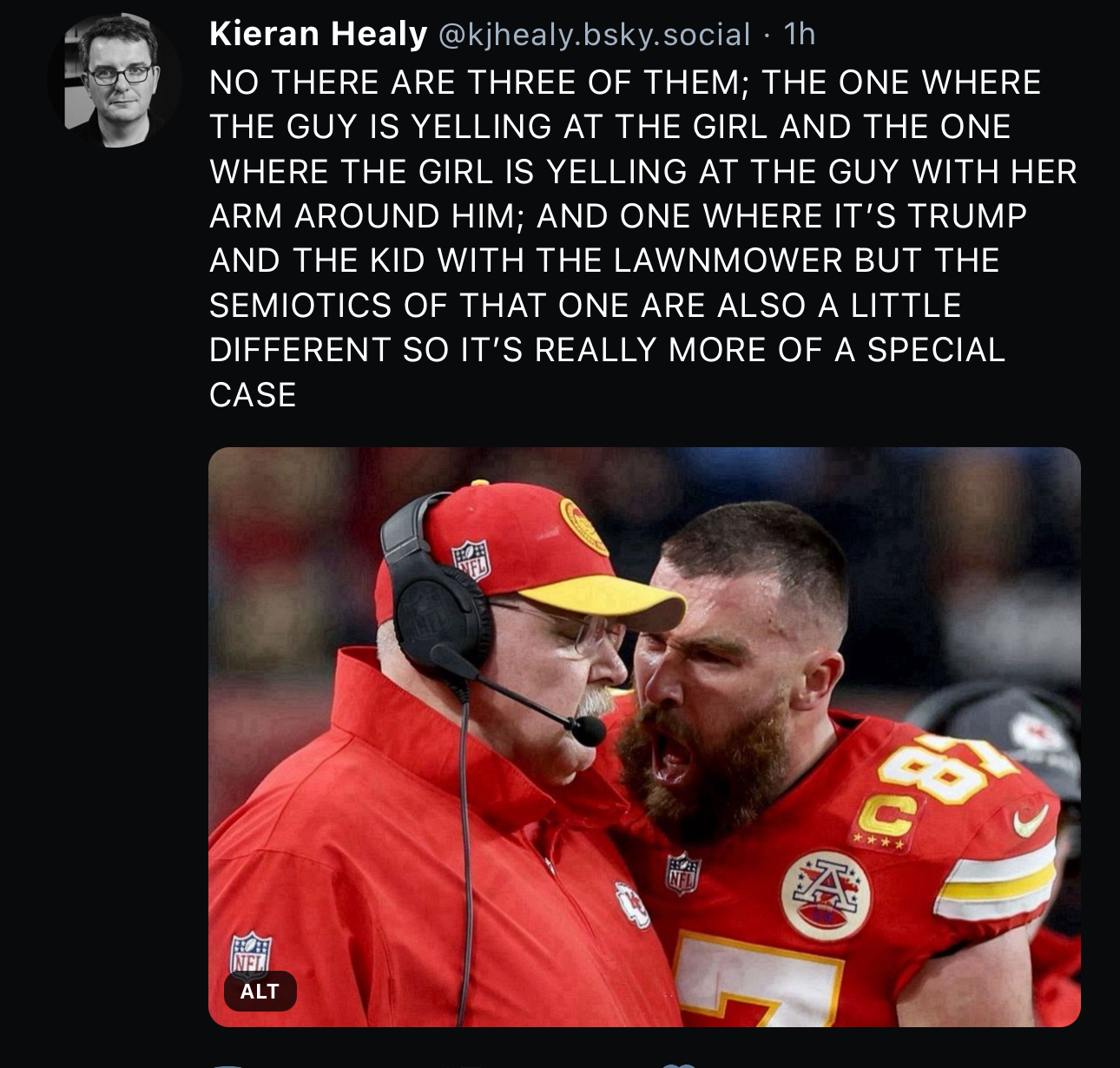
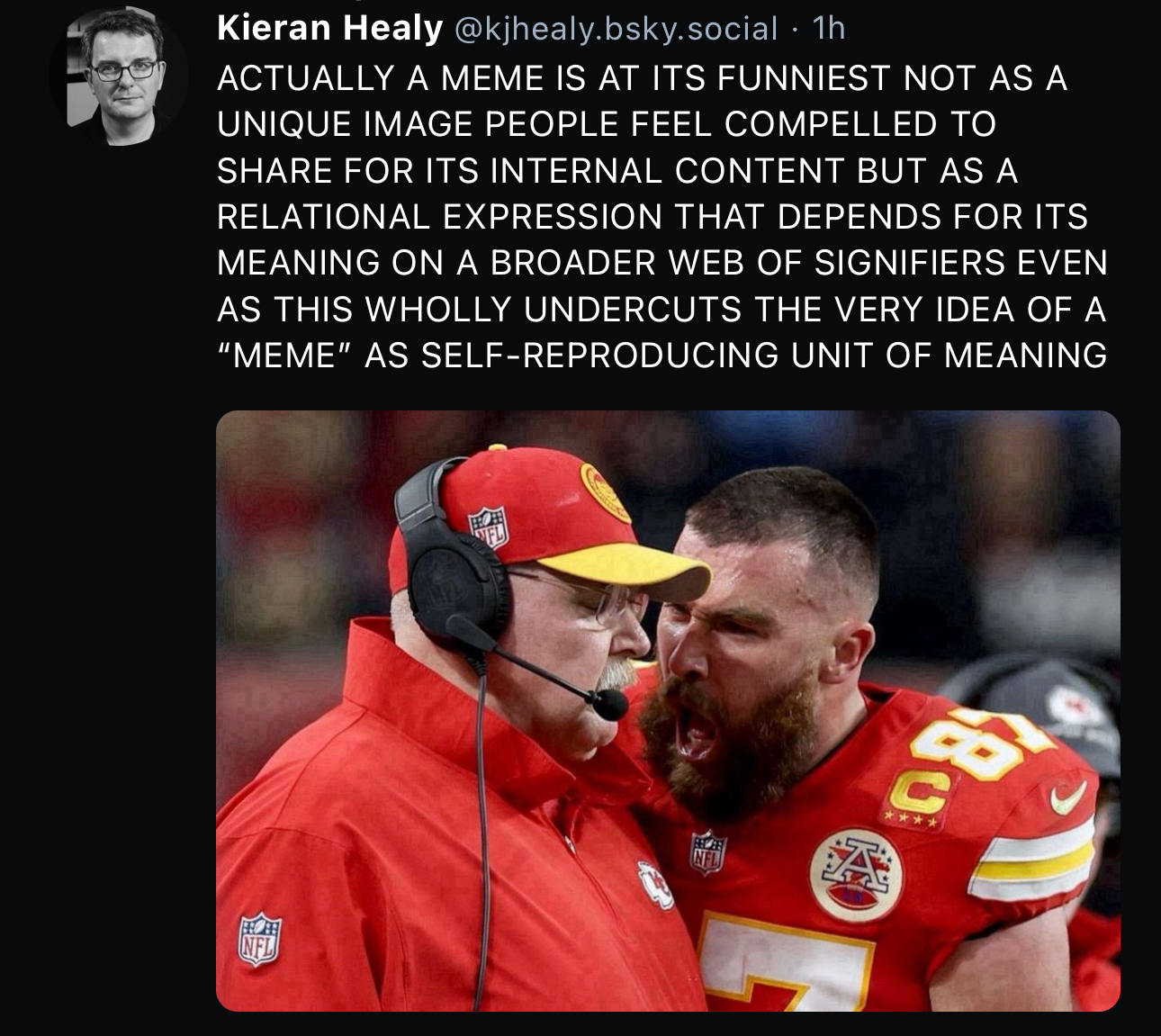
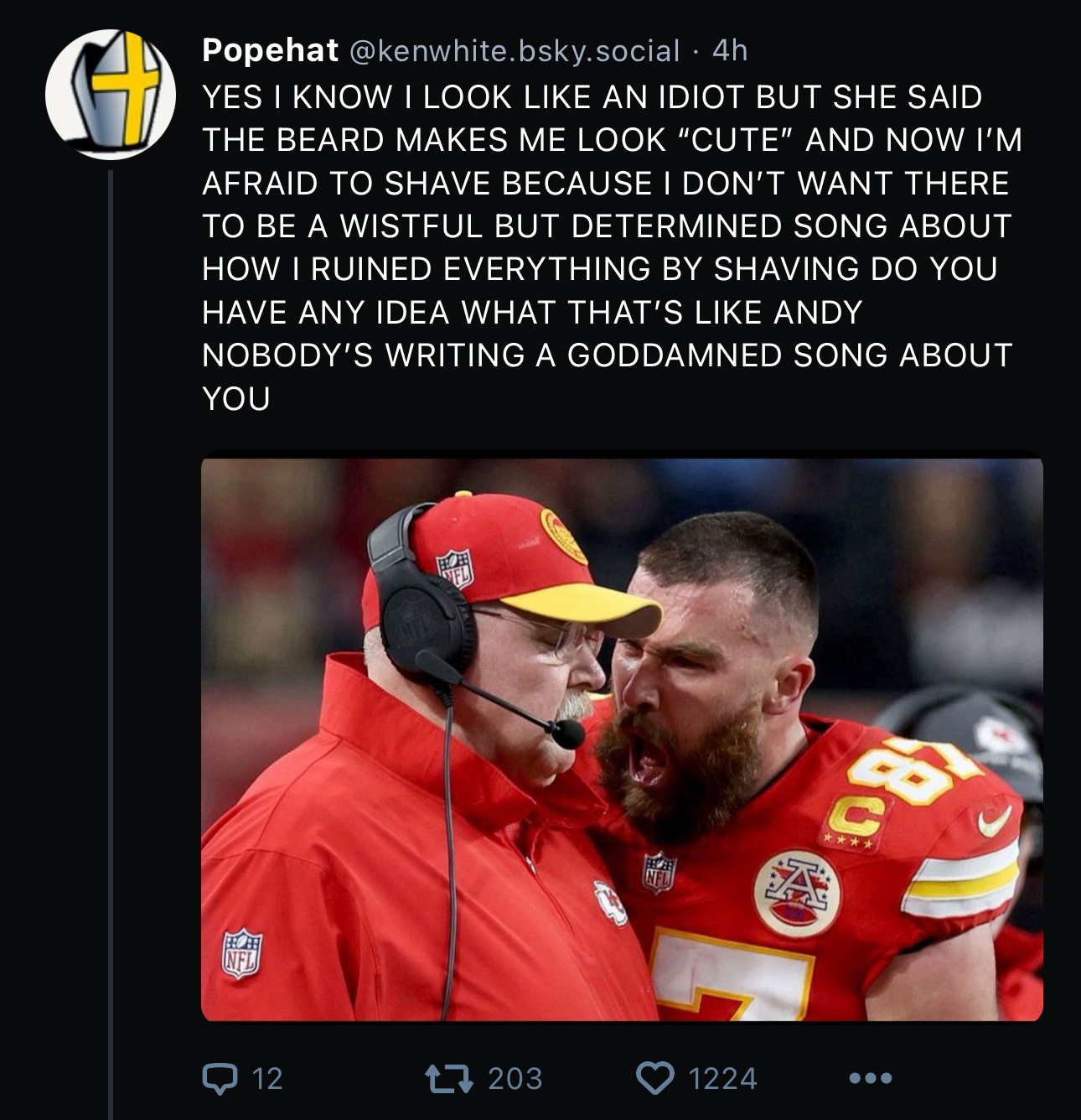
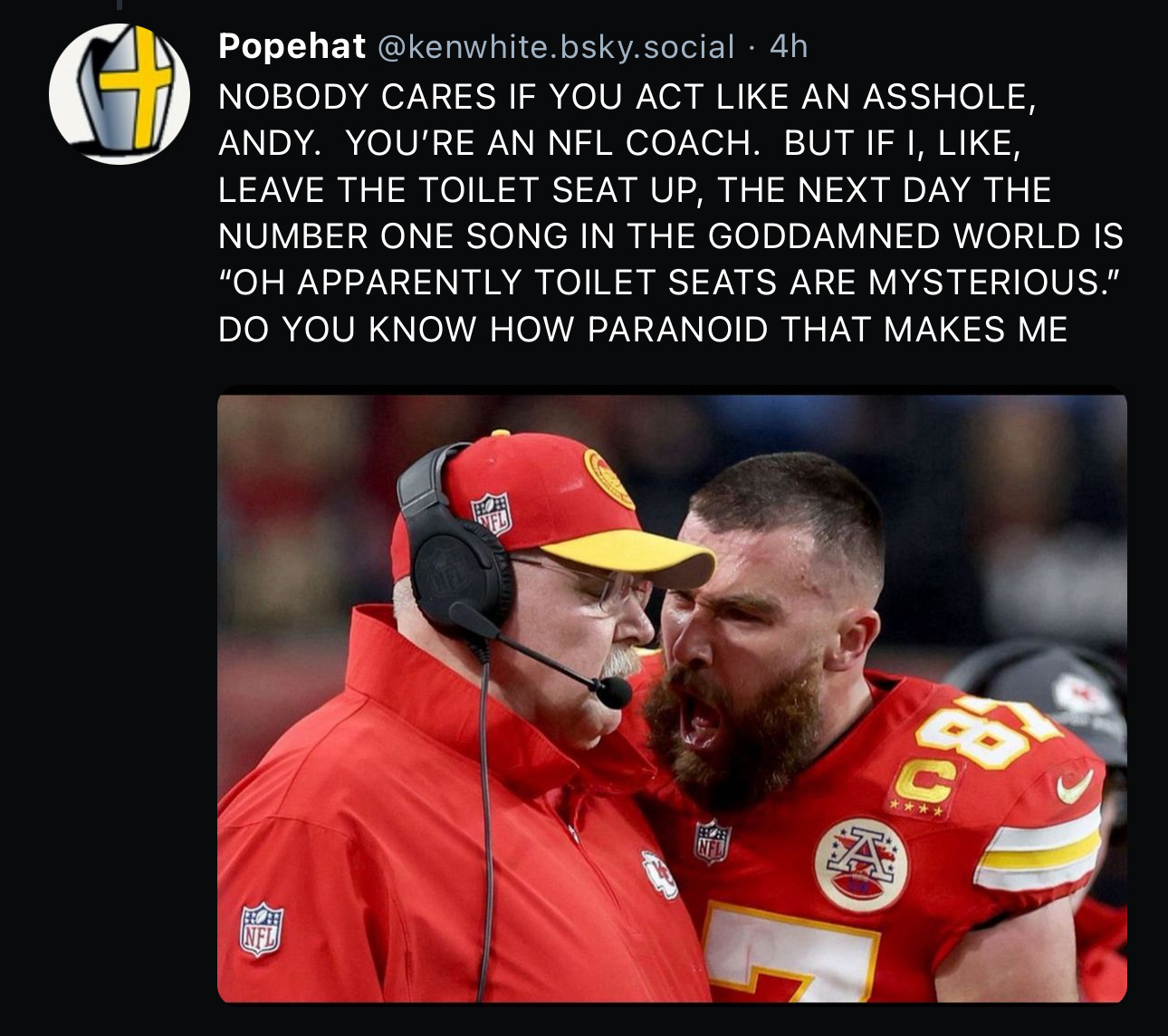
Meanwhile, in a holosuite on Deep Space Nine, Ben Sisko is a 20th Century Earth Boston legbreaker and hitman named Hawk.